

01
Optimistic Futures
Not the absence of conflict, but a world where the biggest problems have been addressed - and new challenges are met with hope instead of dread.
HOPE · HORIZON · WILL
Une question, une suggestion, une correction ?
Envoyez-nous un mail directement :
Nous répondons généralement sous 48h.
Solarpunk is the genre of the future worth building - the one place in speculative fiction where the lights stay on, the rivers run clean, and the question is not how do we survive the collapse but how do we live well after the transition. Where the city becomes a garden. Where technology serves the soil. Where hope is treated as a discipline, not a delusion.
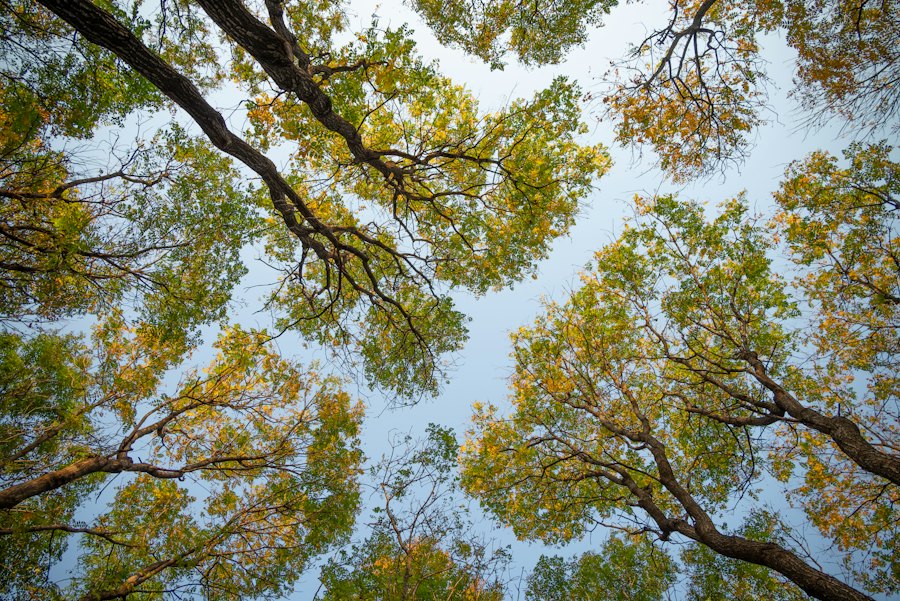
Solarpunk is the radical act of imagining a future worth living in. In a landscape of speculative fiction dominated by dystopias, wastelands, and corporate nightmares, solarpunk dares to ask one stubborn question: what if things went right?
Its settings are vertical farms, retrofitted cities, repaired coastlines, cooperative villages, train stations that double as greenhouses. Its technologies are clean, open, and rooted in place. Its anxieties are not about survival but about stewardship, fairness, and what we owe the next generation.
Solarpunk asks the cyberpunk question in reverse: if the future is ours to design, why are we still designing it to fail?
Solarpunk grew out of climate grief and refused to stay there. Every story is one good decision away from becoming a blueprint.
Ursula K. Le Guin publishes The Dispossessed. A whole world built on scarcity, mutual aid, and ecological balance. The proto-solarpunk seed is planted.
Hayao Miyazaki releases Nausicaä of the Valley of the Wind - humans learning to live in harmony with a poisoned ecosystem instead of conquering it.
The term “solarpunk” surfaces online, naming an aesthetic of art-nouveau curves, plant-covered towers, and stained-glass solar panels. The movement finally has a name.
The widely-shared “Solarpunk: Notes Toward a Manifesto” and the anthology Solarpunk: Ecological and Fantastical Stories (Brazil) turn an aesthetic into a literary movement.
Kim Stanley Robinson publishes the most rigorously argued solarpunk novel yet - a near-future where humanity actually grinds its way through the climate crisis and out the other side.
Becky Chambers gives the movement its gentlest fable: a tea monk and a curious robot ask what it means to have enough in a healed world.
Terra Nil ships - a “reverse city builder” where you rewild devastated land. Solarpunk becomes something you can hold in your hands.
Not the absence of conflict, but a world where the biggest problems have been addressed - and new challenges are met with hope instead of dread.
Every building, every system, every tool conceived with ecological impact as a core constraint, not an afterthought.
Solarpunk's central conviction is not that we must do less. It is that we can design better - and that a sustainable world can also be an abundant one.
Decentralized, cooperative societies where people help each other rather than competing for survival. The commons, restored.
Biotech, clean energy, and AI working in service of ecosystems rather than against them. The machine in the garden, finally welcome.
The “punk” in solarpunk is the refusal to accept that the future must be ugly, grey, and grim. It is the gardener, the tinkerer, the repair-café volunteer insisting that a sustainable world should also be a beautiful one. Art nouveau against austerity. Stained glass against the bunker. Insisting that hope is a political act - and that imagining a desirable future is the first step to building it.
We were never doomed.FIELD NOTE, COMMUNITY ORCHARD, SECTOR GREEN
We were always gardeners.
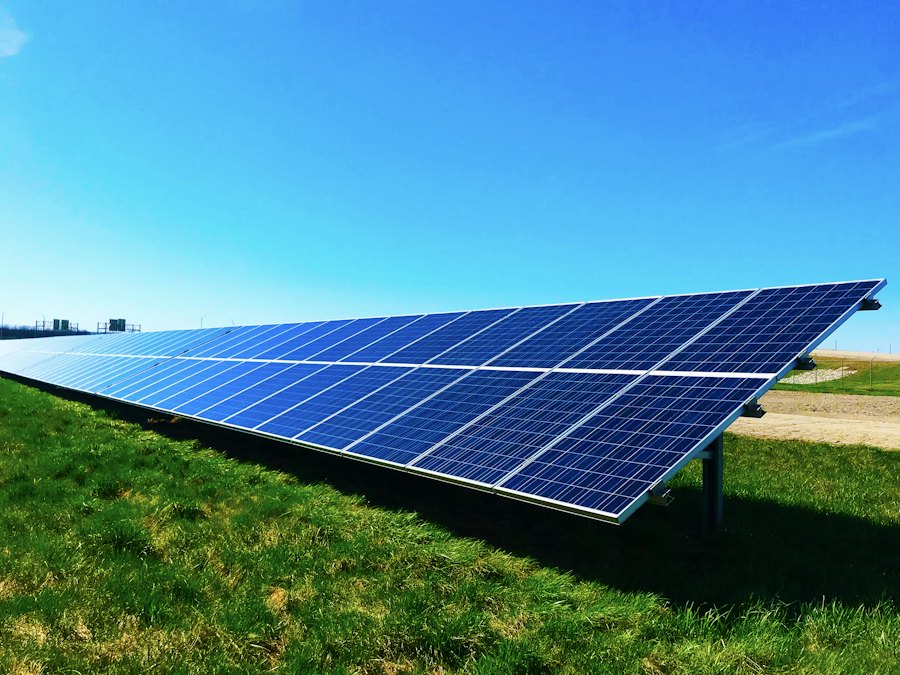
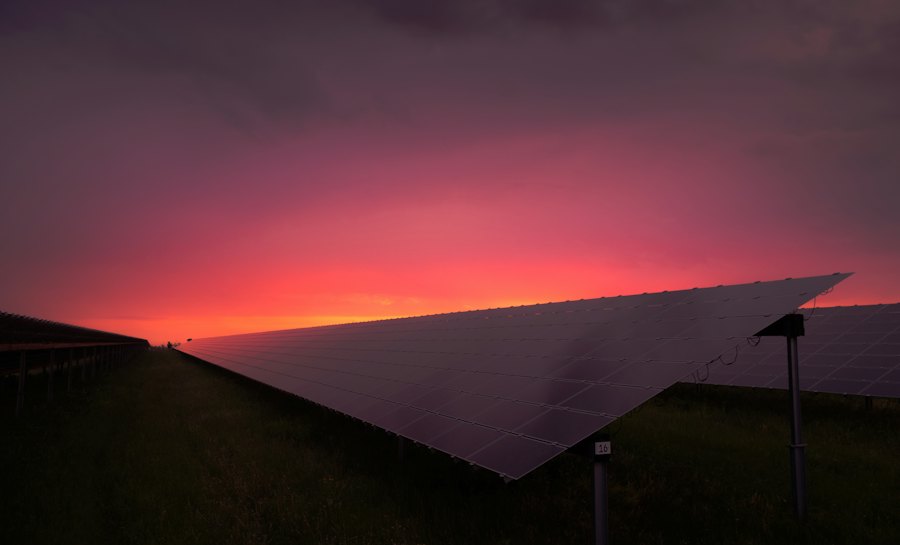
Solarpunk's palette is leaf green, solar gold, warm terracotta, and sky blue, set against warm cream paper. Buildings are covered in plants. Solar panels are made of stained glass. Art-nouveau curves merge with living architecture.
The fashion is handmade, colorful, and functional: flowing natural-dyed fabrics, repaired and upcycled clothing worn as a statement of values. The architecture is greenhouses, green roofs, vertical farms, wildlife corridors. The transport is public, electric, and beautiful.
Visually, solarpunk borrows from Mucha, William Morris, Hayao Miyazaki, and the quiet ambition of a well-tended garden.

The Ministry for the Future (2020) is solarpunk's most realistic novel - a hard-headed, decade-by-decade account of how humanity might actually claw its way through the climate crisis. Not utopia by magic; utopia by work.
“We will keep going, because there is no such thing as fate. There is only the next thing we choose to do.”
The Monk & Robot novellas (A Psalm for the Wild-Built, 2021) are solarpunk's quietest masterpiece: a healed world where the only crisis left is the human one - what do people need, when they have enough?
The Dispossessed (1974) and Always Coming Home (1985) are proto-solarpunk: full, lived-in visions of sustainable, anarchist, ecologically woven societies. Every solarpunk writer since has grown in her soil.
Parable of the Sower (1993) shows solarpunk born from struggle: in a climate-ravaged California, a young woman builds a new faith and a new community out of nothing but seeds, care, and stubborn hope.
From Nausicaä (1984) to Castle in the Sky and beyond, Miyazaki gave solarpunk its visual grammar: lush overgrowth, gentle machines, and the conviction that living with nature beats conquering it.
A near-future agency fights, bargains, and engineers its way through the climate crisis. The most realistic solarpunk novel ever written.
A tea monk and a wild robot wander a healed moon, asking the only question left worth asking: what do people actually need?
A sustainable anarchist world rendered in full, honest detail - scarcity, solidarity, and the cost of an idea worth living by.
Solarpunk born from collapse: a young woman builds community and a new faith from seeds and stubborn care in a broken California.
Living in harmony with a toxic ecosystem instead of conquering it. The proto-solarpunk film, and still its most beautiful.
A tiny robot tends a dead Earth while humanity drifts in space. The final act - returning to grow things again - is pure solarpunk.
A floating city reclaimed by gardens and birdsong - technology and overgrowth in tender, iconic balance.
A “reverse city builder” where you restore devastated land to thriving wilderness, then pack up and leave no trace.
Leave the corporate grind, restore a grandfather's farm, and rebuild a community. Cozy solarpunk in miniature.
A wave of cozy “reclaim and grow” indie games where ruins become gardens and decay becomes life.
Solarpunk's hopeful predictions keep quietly arriving ahead of schedule.
Solarpunk matters because at a moment when climate anxiety is pervasive and despair feels rational, it insists on the radical power of imagining solutions. It is not about pretending the problems don't exist - it is about thinking with the garden: proving that a desirable future is technically possible, and that the only thing missing is the collective will to build it.
It is the genre of the questions we should all be asking, more often: