

01
Genome as Code
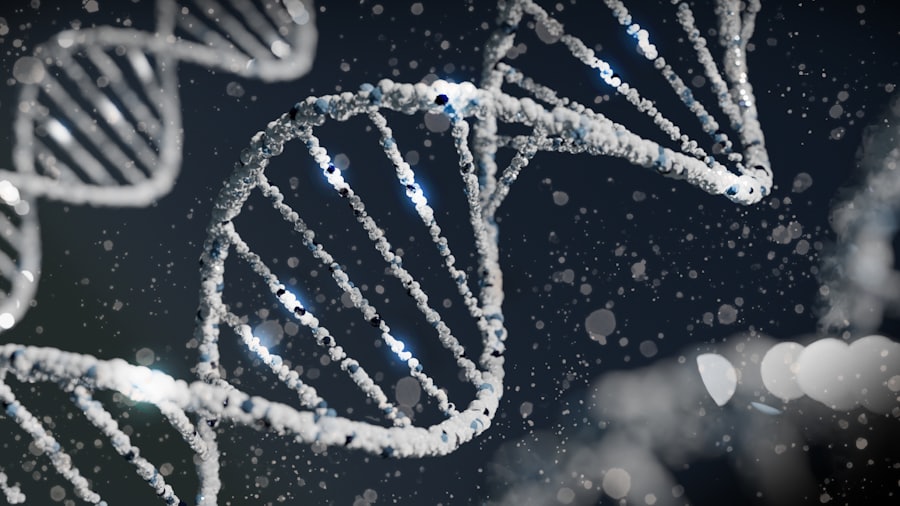
DNA is the programming language of life. Biopunk takes that metaphor seriously and asks what happens when anyone can fork the code.
CRISPR · SPLICE · FORK
Une question, une suggestion, une correction ?
Envoyez-nous un mail directement :
Nous répondons généralement sous 48h.
Biopunk is the genre of the wet machine - the future where the most powerful technology is no longer made of silicon but of cells, genes, proteins, and living tissue. Where the laboratory replaces the workshop. Where the body becomes a platform and the species itself becomes editable.
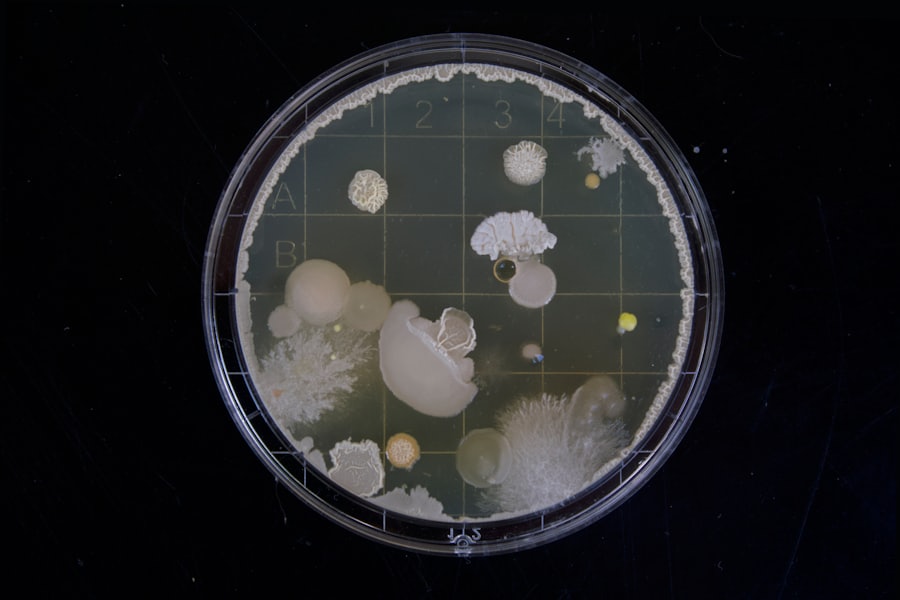
Biopunk is cyberpunk's organic cousin. Where cyberpunk imagines a future of microchips and networks, biopunk imagines a future of genetic engineering, designer pathogens, custom organisms, and corporate ownership of the gene. The hacker doesn't break into a server - they splice a gene.
Its settings are laboratories, greenhouses, growth tanks, hospital wards, undocumented backroom clinics. Its technologies are squishy, alive, and very hard to switch off. Its anxieties are about contamination, identity, and the patent on your own DNA.
Biopunk asks the cyberpunk question one step inwards: if your code is copyrighted, who owns you?
Biopunk grew alongside the actual biotech revolution. Every novel is one Nature paper away from being a documentary.
Mary Shelley publishes Frankenstein. The seed of every body-hacking, mad-doctor story ever written.
Watson and Crick describe the structure of DNA. Biology is now a programming language. Science fiction takes about ten minutes to notice.
Greg Bear publishes Blood Music: nanoscale intelligent cells colonize the human body and rewrite it. The biopunk template is set.
Paul Di Filippo's anthology Ribofunk proposes a sister-genre to cyberpunk based entirely on biotech. The name doesn't stick - "biopunk" does instead.
Margaret Atwood lays out a fully-engineered post-human Earth in Oryx and Crake - pigoons, ChickieNobs, and a planet remade by a single furious geneticist.
CRISPR/Cas9 makes gene editing cheap and routine. Real labs catch up with biopunk fiction. The fiction has to keep running.
Alex Garland adapts Jeff VanderMeer's Annihilation. The biopunk uncanny goes mainstream - iridescent, refractive, beautiful, wrong.
DNA is the programming language of life. Biopunk takes that metaphor seriously and asks what happens when anyone can fork the code.
If a corporation can patent a gene sequence, they can patent the things that sequence builds. Your tears. Your immune system. Your descendants.
Biopunk's central nightmare is not a robot uprising. It is a licensing agreement.
Once a designed organism is out of the lab, it doesn't come back. Biopunk is haunted by the leak, the spill, the unaccounted-for sample.
The flesh is plastic. It can be made beautiful, monstrous, or useful. Biopunk holds both possibilities - cure and curse - on the same page.
The "punk" in biopunk is the biohacker: an amateur, working in their garage or a co-op lab, splicing glow into yeast and insulin into bacteria. Refusing to let biotech remain a corporate science. Insisting the most powerful tools of the century belong in everybody's hands - with all the risk that implies.
We were never machines.FIELD NOTE, NORTHERN COAST, AREA X
We were always biology.
Biopunk's palette is lab-clinical green, bio-luminescent purple, wet-tissue pink, dried-blood red, set against the off-white of a hospital wall. Everything is slightly wet. Everything is slightly glowing.
The fashion is scrubs, lab coats, isolation suits, surgical masks. The architecture is sealed labs, growth chambers, hothouses, decontamination airlocks. The transport is rarely shown - the action is always inside: inside the lab, inside the body, inside the cell.
Visually, biopunk borrows from medical illustration, microscopy, and David Cronenberg.
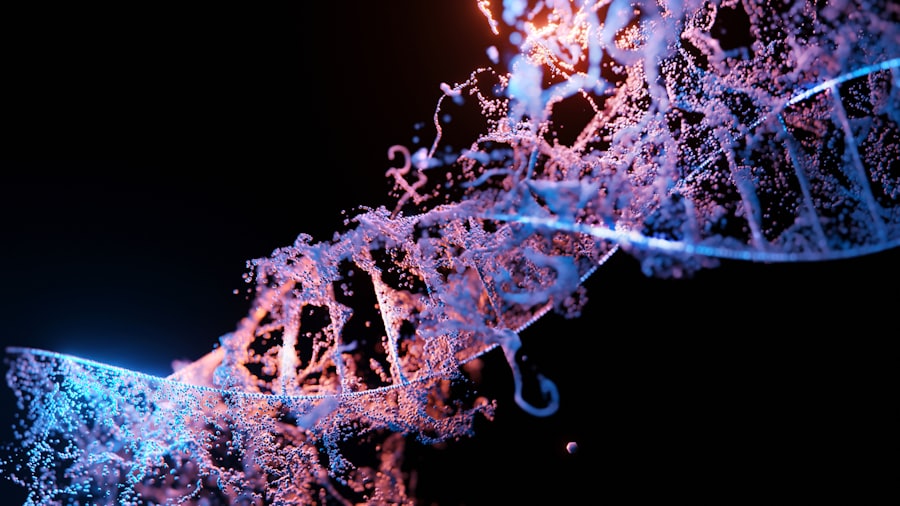
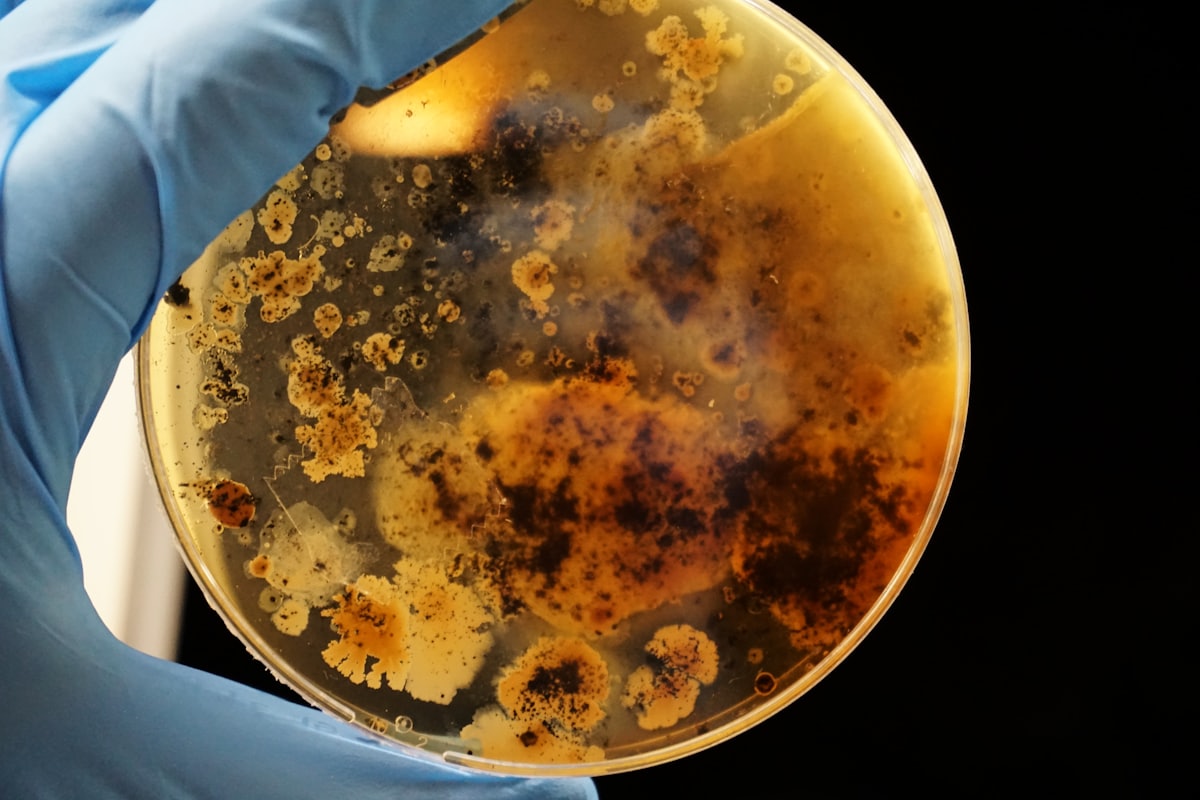
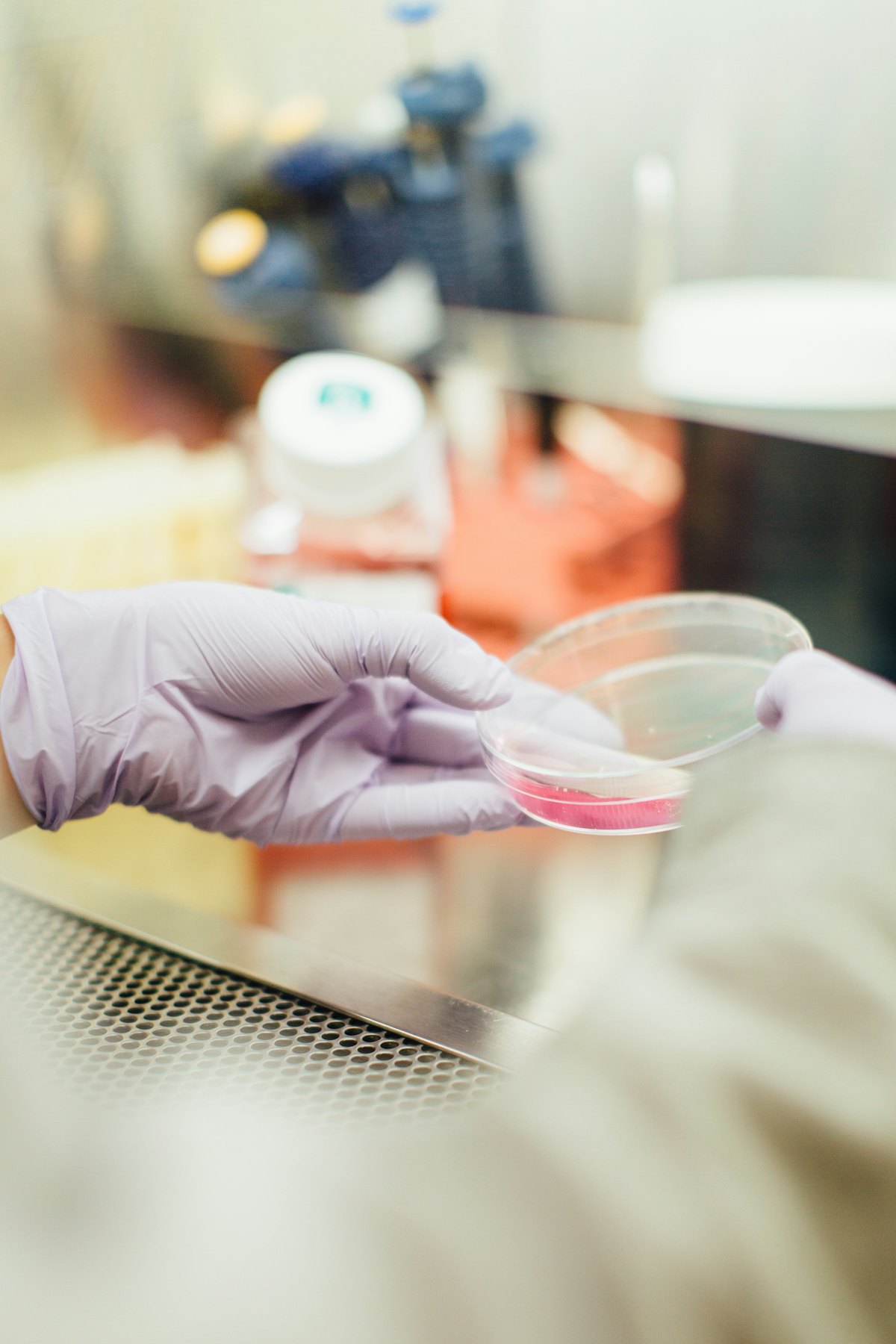
The MaddAddam trilogy (2003–13) is the modern biopunk canon - pigoons, ChickieNobs, lab-grown plagues, a designer post-human species. Sharp, bleak, and disconcertingly plausible.
"Better never means better for everyone. It always means worse for some."
Blood Music (1985) is biopunk's Neuromancer: intelligent cells eat the world from inside the body of a single rogue scientist. Then it gets stranger.
His 1996 collection Ribofunk is the manifesto. The name didn't catch on - but every biopunk writer since has been writing inside the world he outlined.
The Southern Reach trilogy (Annihilation, 2014) renders biopunk as ecological horror: an expanding zone where biology rewrites itself, the rules shift, and the observer becomes part of the experiment.
The Xenogenesis / Lilith's Brood trilogy (1987–89) imagines interspecies genetic merger as the price of human survival. Biopunk's most humane and most uncompromising voice.
The last man on a post-genetic Earth tells the story of how it happened. The biopunk modern canon.
A rogue geneticist injects himself with intelligent lymphocytes. The cells learn. The cells multiply. The cells become a civilization.
An anonymous expedition enters Area X. The biology there is doing something unaccountable. Nobody comes back unchanged.
Earth's survivors are offered survival in exchange for genetic merger with an alien species. Biopunk's most humane and most unflinching novel.
A near-future of genetic caste. Vincent is born "in-valid". The film that taught biopunk how to feel.
Two researchers grow a designer organism. It grows up. It does not stay theirs.
Biopunk's most fully realized film image: the Shimmer, the bear, the lighthouse, the iridescence.
The corporate bio-lab. The viral leak. The mutated remainder. Three decades of biopunk's most iconic franchise.
Manhattan, an engineered pathogen, and a protagonist whose body is the weapon. Biopunk power fantasy made loud.
A mutated fungus turns its hosts into something post-human. Quiet, slow, devastating biopunk.
Biopunk's predictions are catching up with the lab report.
Biopunk matters because biology is now the most powerful technology on the planet - and most of us are not allowed in the room where decisions about it are made. The genre is a way of thinking with the lab from outside the lab: a way of asking the questions the licence agreement will never ask out loud.
It is the genre of the question we should all be asking, more often: