

01
Survival Ethics
The central question: what is acceptable when everyone dies if you do nothing? Frostpunk lives in the space where the right answer and the survivable answer are not the same.
CHOICE · COST · CONSCIENCE
Une question, une suggestion, une correction ?
Envoyez-nous un mail directement :
Nous répondons généralement sous 48h.
Frostpunk is the genre of the last fire - the future where civilization has been driven to a single point of warmth in a world gone white. Where the only technology that matters is the one that keeps you from freezing. Where survival is no longer guaranteed, only negotiated - one cruel choice, one law, one rationed coal at a time. The city must survive. The only question is what is left of it when it does.
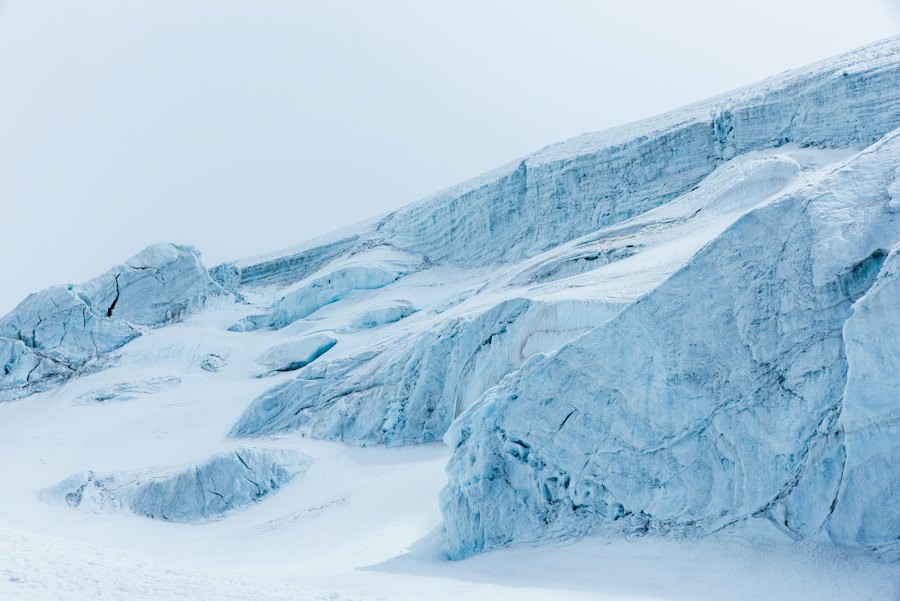
Frostpunk is cyberpunk frozen solid - the genre of frozen wastelands, desperate survival, and impossible moral choices. Where cyberpunk imagines too much technology in a glittering megacity, frostpunk imagines the opposite: a world stripped back to fire, food, fuel, and the people you keep warm. The hacker doesn't break a system - they break the law of warmth, or write a crueller one.
Its settings are the last city, the coal mine, the frostland expedition, the generator pit, the overcrowded medical post. Its technologies are riveted, Victorian, steam-driven, and barely holding. Its anxieties are about scarcity, authority, and how much of your humanity you will trade to see another dawn.
Frostpunk asks the survival question with no comfortable answer: when everyone dies if you do nothing, where exactly is the line?
Frostpunk runs along two frozen rivers: the ancient myth of a winter that ends the world, and the modern fear that the warmth we built is borrowed.
Norse myth names the Fimbulwinter: three winters with no summer between, the cold that comes before the end of the world. The oldest frostpunk story we have.
Mary Shelley wraps Frankenstein in pack ice - Walton's doomed polar expedition, the monster vanishing across the floes. The frozen waste as the edge of the human map.
John W. Campbell's novella strands a research crew in the Antarctic with a thing that wears their faces. Isolation, cold, and paranoia fuse into a template.
Lob & Rochette's Le Transperceneige puts the survivors of a frozen Earth on one endless train. The same year, Carpenter's The Thing freezes Campbell's novella into film. The genre's iconography sets.
Anna Kavan's Ice renders advancing glaciation as dream-logic apocalypse - a pursued woman, a closing white wall, the world ending by degrees of cold.
Roland Emmerich freezes the northern hemisphere in a single weekend. Climate-collapse cold goes blockbuster - the flash-freeze enters the popular imagination.
11 bit studios releases Frostpunk: a city built in a crater around a single coal Generator, a Book of Laws, and a string of choices with no clean hands. The genre gets its name and its defining text.
The central question: what is acceptable when everyone dies if you do nothing? Frostpunk lives in the space where the right answer and the survivable answer are not the same.
Food, fuel, shelter, warmth - every one a precious commodity to be measured, managed, and fought over. The thermometer is the real antagonist.
Frostpunk's nightmare is not a monster. It is a spreadsheet of coal that runs out before the cold does.
Crisis concentrates power. Frostpunk watches how the Book of Laws hardens from order into control - and asks whether that power is ever given back.
The fragile flame in the coldest dark. Frostpunk holds both at once - the need to give people a reason to endure, and the temptation to lie to them to do it.
The "punk" in frostpunk is the politics of the cold: who shovels coal, whose children work the mine, who decides, and who freezes outside the heat zone. It refuses the clean disaster movie. The enemy is not only the winter - it is what the winter gives us permission to become. Every law you pass to survive is a law you have to live with after.
The city must survive.LOG ENTRY, THE LAST CITY, DAY 45
But survival is not the same as living.
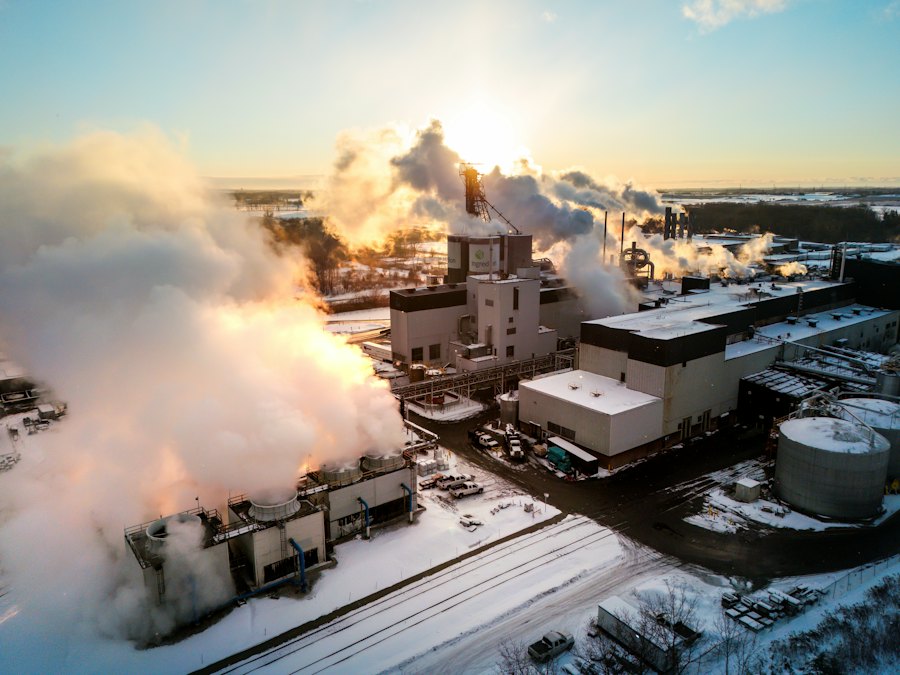
Frostpunk's palette is glacial ice-blue, frost white, and steel gray, set against a near-black cold sky - pierced by a single ember-orange: the Generator's fire, the only warm thing for miles. Everything is rimed with frost. Everything leans toward the heat.
The fashion is greatcoats, fur, goggles, frostbitten hands, soot-stained gloves. The architecture is riveted Victorian-industrial - the round Generator, the steam hub, the cramped tenement ring radiating outward from warmth. The transport is the steam automaton and the frostland scout, dwarfed by the white.
Visually, frostpunk borrows from polar photography, the steam age, and the cold blue of a city seen from above at night.
The Road (2006) is the cold apocalypse stripped to bone - a father and son crossing an ash-grey, freezing wasteland with a cart and a pistol. The most devastating survival novel ever written.
"You have to carry the fire." - "Is it real? The fire?" - "Yes it is. It's inside you. It was always there."
The Terror (2007) entombs the doomed Franklin expedition in Arctic pack ice, where scurvy, starvation, and a thing on the floes finish what the cold begins. Historical frostpunk at its bleak best.
Ice (1967) makes advancing glaciation feel like a fever dream - a closing white wall, a pursued girl, a world ending by degrees. Frostpunk as hallucination and dread.
With Frostpunk (2018) and Frostpunk 2 (2024), the Warsaw studio gave the genre its name, its Generator, and its Book of Laws - a city-builder where every mechanic is a moral argument and survival is never clean.
The Crystal World (1966) freezes the world not into ice but into jewelled, crystallising stillness - a beautiful, terminal cold. Ballard's contribution to the frozen-apocalypse imagination: serene, poetic, and lethal.
A father and son walk south through a freezing, ash-grey ruin, carrying the fire. Survival reduced to love and one bullet.
The Franklin expedition, locked in Arctic ice for years, hunted by the cold and by something worse out on the floes.
A dream-logic apocalypse of advancing glaciation, pursuit, and a closing white wall. Cold as hallucination.
The world crystallises into jewelled, frozen stillness. A serene, terminal cold - beautiful and absolutely lethal.
All of humanity on one endless train circling a frozen Earth. Class warfare in a steel tube - frostpunk perfected.
Isolation, paranoia, and a shape-stealing organism in an Antarctic station. The cold outside; something colder within.
A flash-freeze swallows the northern hemisphere in a weekend. Climate-collapse cold as disaster spectacle.
THE game that named the genre. Build a city around a coal Generator, write the Book of Laws, make impossible choices, survive.
Thirty years after the freeze. Now the enemy is not the cold but the city's own factions. Politics replaces survival.
Solo survival in a frozen Canadian wilderness after a geomagnetic disaster. Just you, the cold, and the dwindling light.
Frostpunk's cold scenarios are not pure invention - the historical record kept the receipts.
Frostpunk is the mirror of solarpunk: where solarpunk asks "what if we succeed?", frostpunk asks "what if we fail?" - and then refuses to look away from what the failure does to us. It is a way of rehearsing scarcity before it arrives: a way of asking, in advance, which laws we would sign and which we would refuse.
It is the genre of the questions a crisis forces, and that we would rather not answer: