

01
Reflected Light
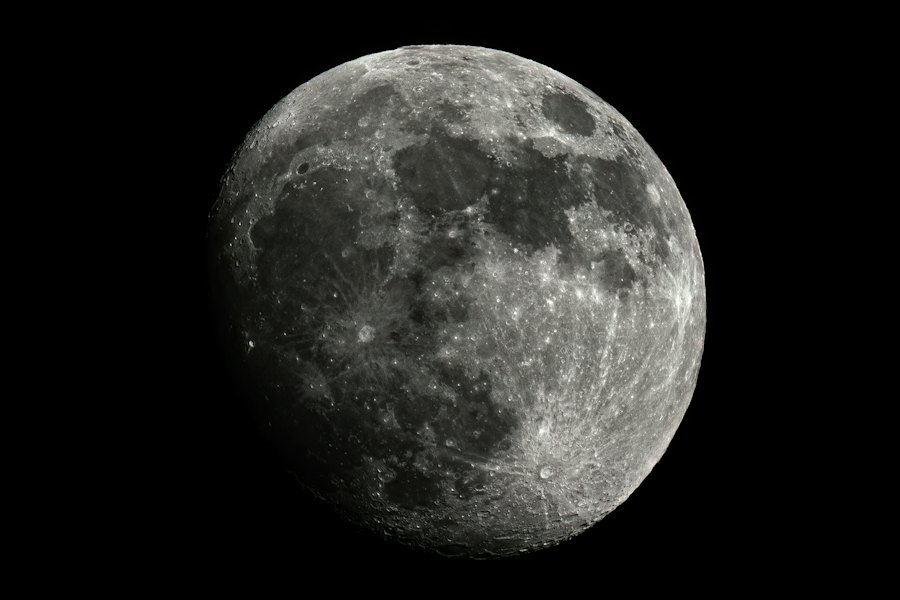
The moon makes no light of its own - it gives back the sun's. Lunapunk takes that seriously: a future built on borrowing gently rather than burning brightly.
ALBEDO · GLOW · SOFT
Une question, une suggestion, une correction ?
Envoyez-nous un mail directement :
Nous répondons généralement sous 48h.
Lunapunk is the genre of the reflected light - the nocturnal counterpart to solarpunk, where the future is built not around the sun's relentless productivity but around moonlight, lunar cycles, bioluminescence, and the quiet. Where rest is a value, darkness is not absence but shelter, and the night garden is as alive as the day field. Where slowing down is the radical act.
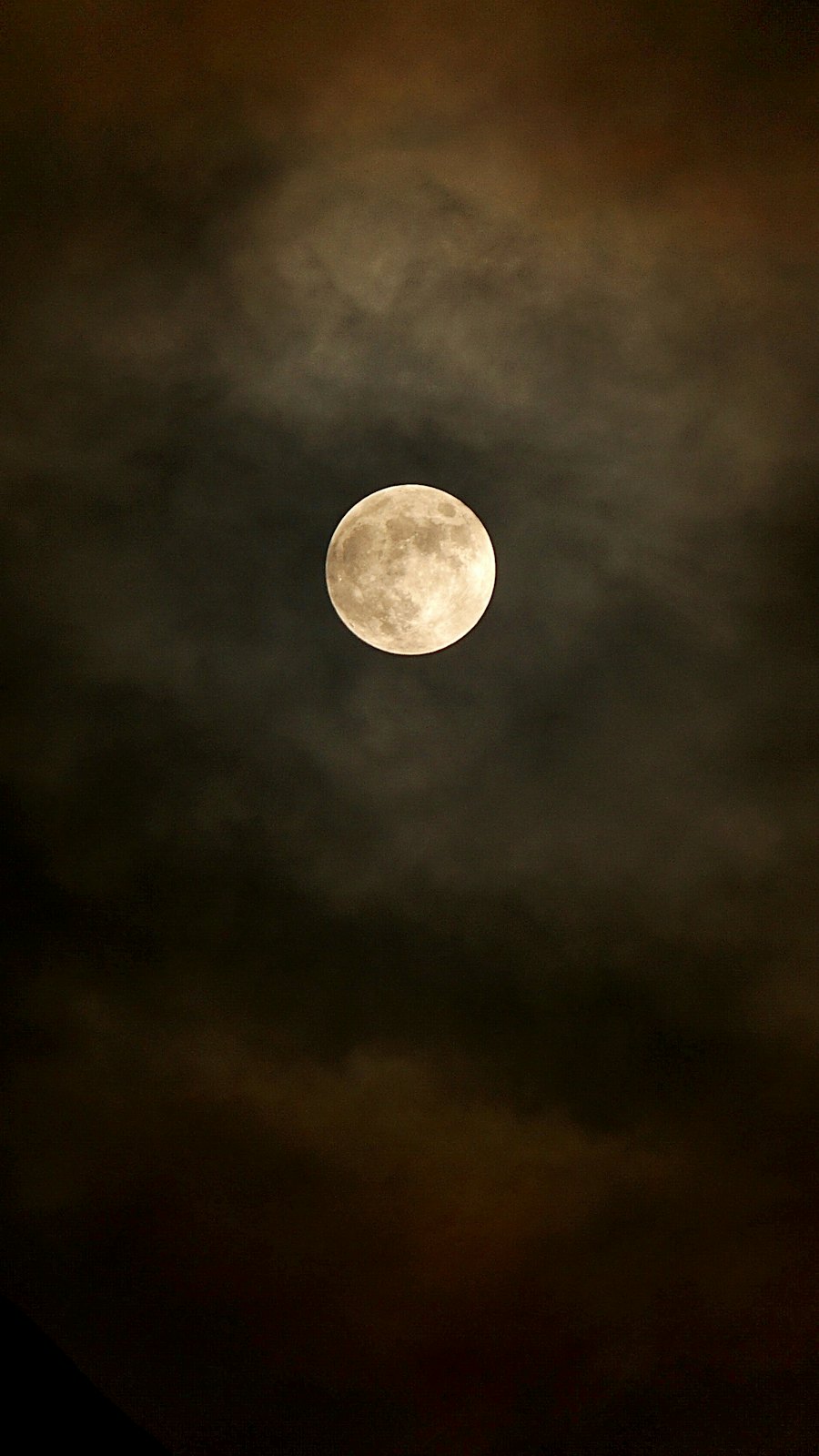
Lunapunk is solarpunk's nocturnal shadow. Where solarpunk imagines a future of daylight, abundance, and green optimism, lunapunk imagines a future of night, lunar agriculture, bioluminescent flora, and the slow wisdom of phases. It is not the opposite of hope - it is hope that keeps a candle lit instead of running the sun all night.
Its settings are night gardens, observatories, tide-pools, glow-in-the-dark greenhouses, moonlit courtyards, the small hours. Its technologies are gentle, cyclical, and content to wait. Its anxieties are about burnout, surveillance, and a culture that has forgotten how to stop.
Lunapunk asks the solarpunk question one turn deeper: if a sustainable world is possible, is a restful one?
Lunapunk is young as a named movement, but the night it draws from is ancient. Its lineage is less a publishing history than a long tradition of looking up after dark.
Long before solar timekeeping, cultures across the world measured the year in moons. Lunar calendars, tides, and planting by the phases are humanity's oldest night-technology.
Romantic painters and composers make night a subject in its own right - Friedrich's moonlit ruins, the field of the nocturne in music. Darkness becomes beautiful rather than merely dangerous.
Italo Calvino publishes Cosmicomics, including "The Distance of the Moon" - a lyric, weightless fable of climbing to a Moon close enough to touch. A spiritual ancestor of the lunapunk sensibility.
Robert A. Heinlein's The Moon Is a Harsh Mistress imagines a self-governing lunar society in revolt - the moon as a place to build a different kind of polity.
Solarpunk crystallizes as an optimistic, sun-powered ecological aesthetic. Its daylight enthusiasm makes room, by contrast, for a question: what about the night?
Online communities begin naming lunapunk - the nocturnal counterpart and gentle critique of solarpunk. It foregrounds rest, darkness, folklore, lunar cycles, and anti-productivity as values rather than failings.
Real science catches up with the mood: studies of light pollution, the importance of darkness for ecosystems, and the bioluminescent worlds of the deep give lunapunk a grounding in living night.
The moon makes no light of its own - it gives back the sun's. Lunapunk takes that seriously: a future built on borrowing gently rather than burning brightly.
In a culture that monetizes every waking hour, lunapunk treats sleep, slowness, and the fallow night as political. Darkness is not lost time. It is the time the world repairs.
Lunapunk's central dream is not endless productivity. It is permission to stop.
Nothing in lunapunk is permanent or linear. It thinks in tides, waxing and waning, planting and lying fallow - the patient logic of the lunar month.
Lunapunk's living world glows softly on its own: fungi, plankton, fireflies, night-blooming flowers. Light made by life, not by grid - cool, quiet, and alive.
The "punk" in lunapunk is the refusal of the daylight economy - a turn toward folklore, ritual, decentralized community, and the unseen. It reclaims the night from fear and surveillance: a commons of stargazers, tide-watchers, witches, and insomniacs who insist that the dark belongs to everyone, and that to rest is not to fail. Quiet, but unmistakably defiant.
We were never only the day.NIGHT ALMANAC, ENTRY ON THE WANING MOON
We were always the night, too.
Lunapunk's palette is deep midnight indigo, moon silver, soft violet, pale luminescent cyan-white, and star-glow, set against a navy so dark it reads as velvet. Everything is faintly glowing. Nothing is neon.
The mood is observatories, night gardens, tide-pools, lantern-light, glow-in-the-dark greenhouses. The architecture is domes and courtyards open to the sky; the transport is rarely shown - the action is always still: looking up, walking slowly, waiting for the moon to rise.
Visually, lunapunk borrows from Romantic nocturnes, Miyazaki night scenes, and the cool refractive bioluminescence of Annihilation.
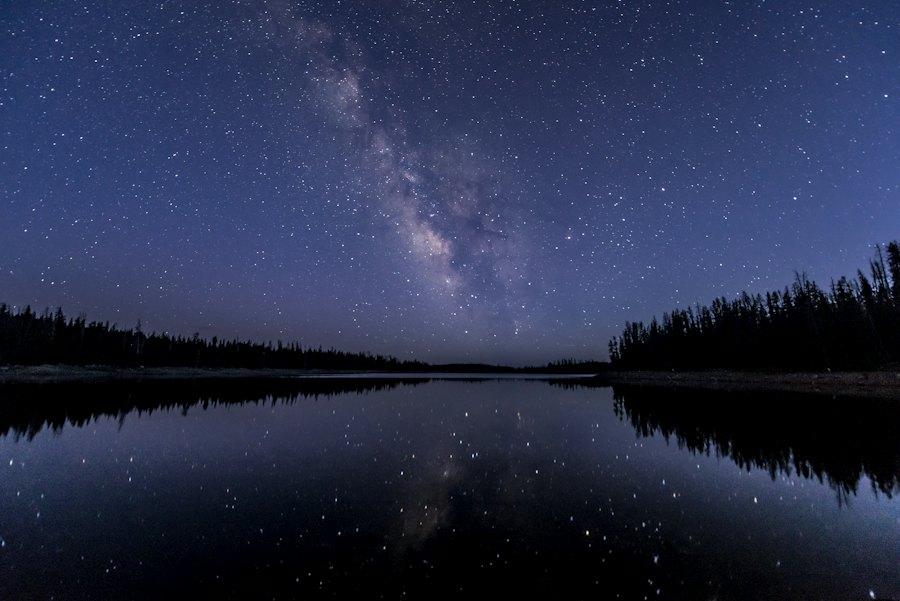
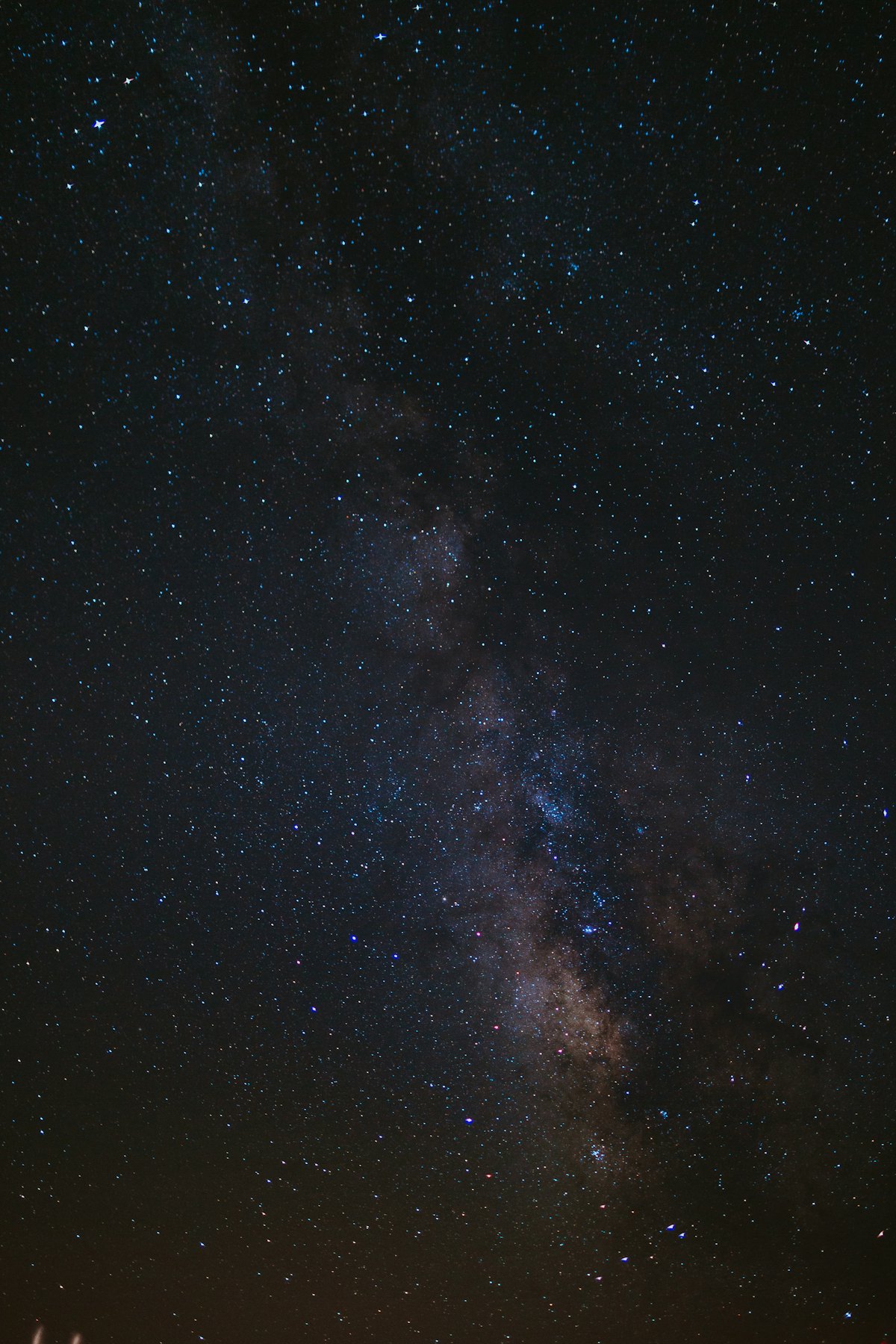
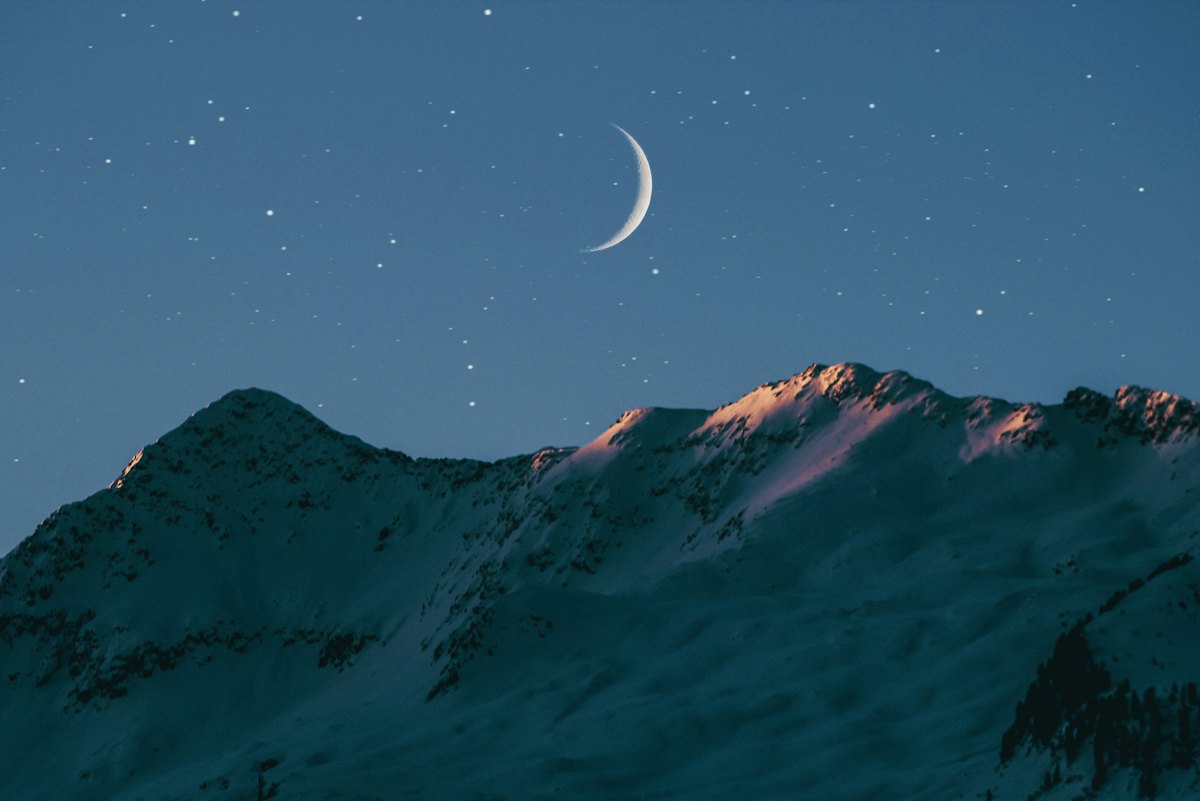
Lunapunk has no settled canon yet. These are not its founders - they are its kin: writers and makers of the moon, the night, and the slow ecological future whose work lunapunk reads by moonlight.
Her gentler, anarchist worlds - the moon-colony of The Dispossessed, the patient anthropology of Always Coming Home - model the kind of slow, communal, anti-extractive future lunapunk reaches for.
"The only thing that makes life possible is permanent, intolerable uncertainty: not knowing what comes next."
"The Distance of the Moon" (in Cosmicomics, 1965) is lunapunk's Neuromancer in spirit: a weightless, lyric, deeply strange love story between people and a Moon close enough to climb. Pure nocturne.
His films give lunapunk its images: lantern-lit nights, moonlit forests, the quiet creatures of the dark in My Neighbor Totoro and Princess Mononoke - a nature that is animate, sacred, and most alive after sundown.
The glowing, refractive ecology of Annihilation (2014) gives lunapunk its signature light: cool, living, faintly luminous, and wholly indifferent to human daylight. A vision of nature that shines on its own.
From the colonized Moon of Red Moon (2018) to a lifetime of ecological, communal world-building, Robinson supplies the political seriousness lunapunk needs to be more than mood - a future actually worth governing gently.
Includes "The Distance of the Moon" - the lyric, weightless heart of the lunapunk imagination.
An anarchist moon-colony and the physicist who bridges two worlds. The philosophical heart of lunapunk's gentle politics.
A self-governing lunar society in revolt - the moon as a place to build a different polity. A foundational lunar text.
Political intrigue and revolution on a colonized Moon. The serious, governed side of the lunar future.
A lone worker on a lunar mining base uncovers a quiet, devastating secret. Intimate, isolated, essential.
Lantern-lit nights, moonlit fields, and the gentle creatures of the dark. Lunapunk's tenderness made visible.
The cool, refractive bioluminescence lunapunk borrows for its light - a nature that glows on its own.
Exploration, wonder, and cosmic mystery in a handcrafted solar system. Lunapunk's awe at the night sky, made playable.
A near-future lunar rescue mission in a world running out of energy. Quiet tension under an indifferent moon.
Life inside a Moon city - smuggling, survival, and the small economics of living off-world. The lived-in lunar everyday.
Lunapunk is best read against its daylight sibling. Where solarpunk turns toward the sun, lunapunk turns toward the moon.
Lunapunk matters because we have built a world that never turns the lights off - a culture of permanent daylight, permanent productivity, permanent surveillance. The genre is a way of thinking with the night: of asking whether a good future also has to be a restful one, whether darkness is something to abolish or something to protect.
It is the genre of the questions a tired and over-lit world should be asking, more often: