

01
Fire as Duality
The same flame that forges steel reduces a city to ash. Pyropunk holds both at once - creation and destruction sharing a single spark.
FORGE · CONSUME · RENEW
Une question, une suggestion, une correction ?
Envoyez-nous un mail directement :
Nous répondons généralement sous 48h.
Pyropunk is the genre of the open flame - the world where the central technology is not the circuit or the cell but combustion itself: the forge, the furnace, the bonfire, the burning page. Where heat is power, ash is memory, and the most dangerous and most sacred thing a civilization owns is fire it cannot put out.
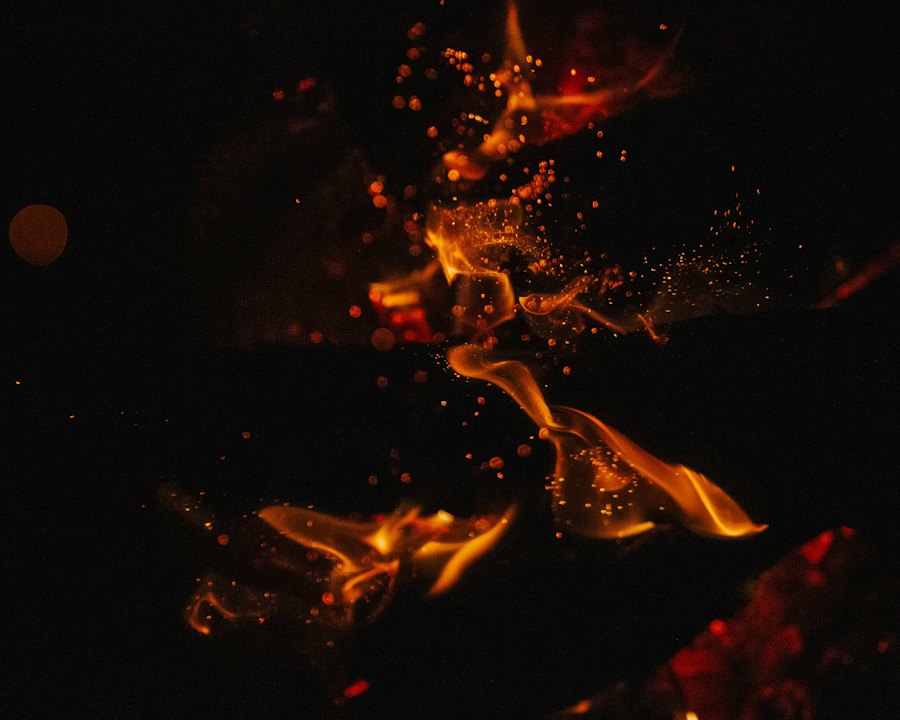
Pyropunk is the aesthetic of fire as technology, religion, and weapon. Where cyberpunk runs on silicon and biopunk runs on cells, pyropunk runs on heat - geothermal forges, volcanic foundries, perpetual flames, and the scorched-earth logic of a world that has decided to burn rather than freeze.
Its settings are blast furnaces, lava fields, sun-blasted wastelands, book-burning squads, and the molten heart of the mountain. Its tools are squat, glowing, and impossible to ignore. Its anxieties are about combustion, censorship by flame, and the line between the fire that forges and the fire that consumes.
Pyropunk asks the oldest question humanity ever stole an answer to: once you have the fire, can you ever put it out?
Pyropunk has no single founding text. It is assembled from every story that put fire at its center - myth, forge, book-burning, and bonfire alike.
The founding pyropunk story: a Titan steals flame from the gods, hands it to humanity, and is punished forever. Fire as theft, gift, and curse, all at once.
The smelting of iron makes the smith the most powerful figure in the village. Mythologies the world over place a fire-god at the anvil - Hephaestus, Vulcan, the forge as sacred ground.
Ray Bradbury makes fire the central image of dystopia: firemen who start fires, books that burn, a society warmed by erasure. The closest thing pyropunk has to a founding novel.
Frank Herbert's Arrakis turns heat itself into the antagonist - a planet where water is sacred, the sun is lethal, and the most precious substance on earth is born of fire.
Stephen King gives fire a human host. Charlie McGee can ignite anything with her mind - pyrokinesis as both gift and weapon, the Promethean spark turned inward.
FromSoftware's Dark Souls builds an entire cosmology around dying embers and rekindled bonfires - an Age of Fire fading into ash, and the terrible choice of whether to relight it.
George Miller's Wasteland perfects pyropunk cinema: war rigs, flame-throwing guitars, and a sun-blasted hellscape where fire is spectacle, religion, and the only law left.
The same flame that forges steel reduces a city to ash. Pyropunk holds both at once - creation and destruction sharing a single spark.
Fire is never simply owned - it is taken. From Prometheus onward, pyropunk is haunted by the cost of the gift: the punishment that follows power.
The central nightmare is not that the fire goes out. It is that someone decides who is allowed to hold it.
Fire erases. Bradbury's firemen burn books; tyrants burn archives. Pyropunk knows the oldest way to delete an idea is to set it alight.
When the planet overheats, water becomes gold and shade becomes wealth. Pyropunk's landscape is desert, ash, and the long resource war over what survives the heat.
The "punk" in pyropunk is the smith, the arsonist, the keeper of the last bonfire: refusing to let fire become a corporate utility or a tyrant's tool. Insisting that the flame belongs to whoever is brave enough to carry it - the forge in the garage, the torch in the dark, the spark passed hand to hand against everyone who would put it out.
It was a pleasure to burn.FORGE LOG, THE LAST BONFIRE
It was a sin to let it die.
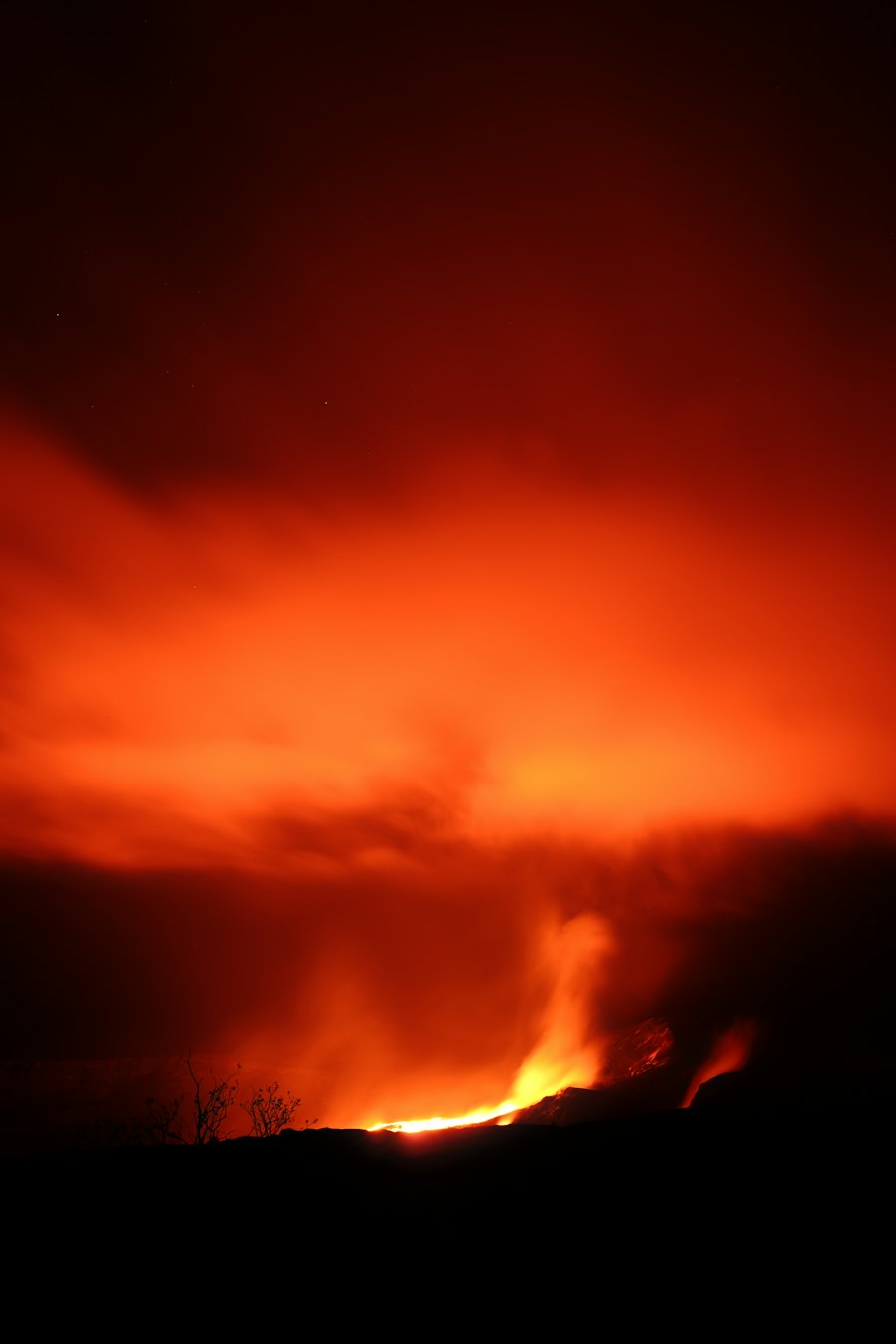
Pyropunk's palette is molten orange, ember red, white-hot core yellow, soot black, shot through with smoke gray and the radiant bloom of a furnace door left open. Everything glows. Everything throws heat-shimmer.
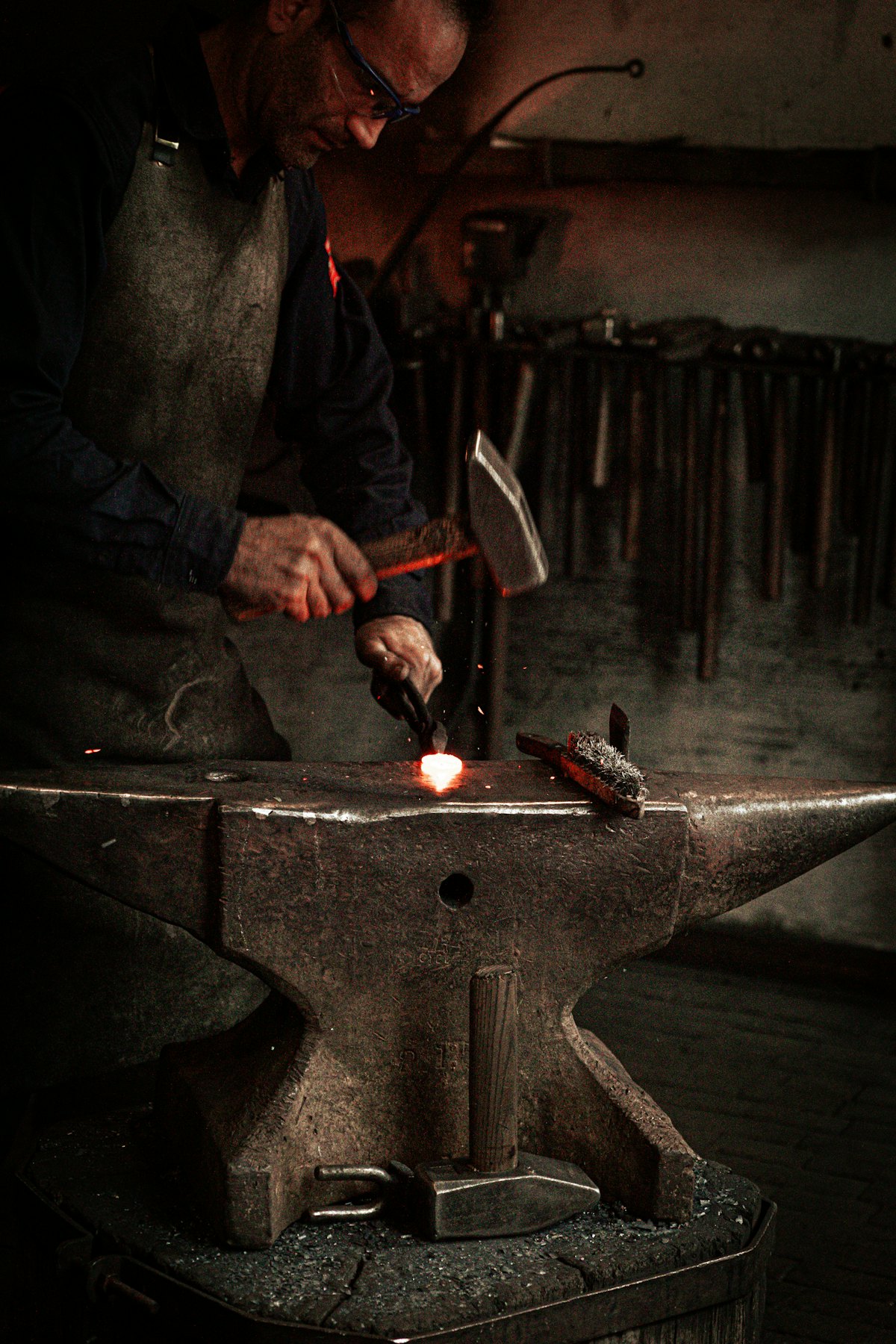
The fashion is leather aprons, soot-stained masks, brass goggles, fire-suits, and brands burned into skin. The architecture is blast furnaces, lava cracks, kilns, and cities built from the only thing that survives - stone, iron, and ash. The light always comes from below: the forge, the bonfire, the molten seam.
Visually, pyropunk borrows from volcanism, ironwork, and the glow of a flame guitar against a dust storm.
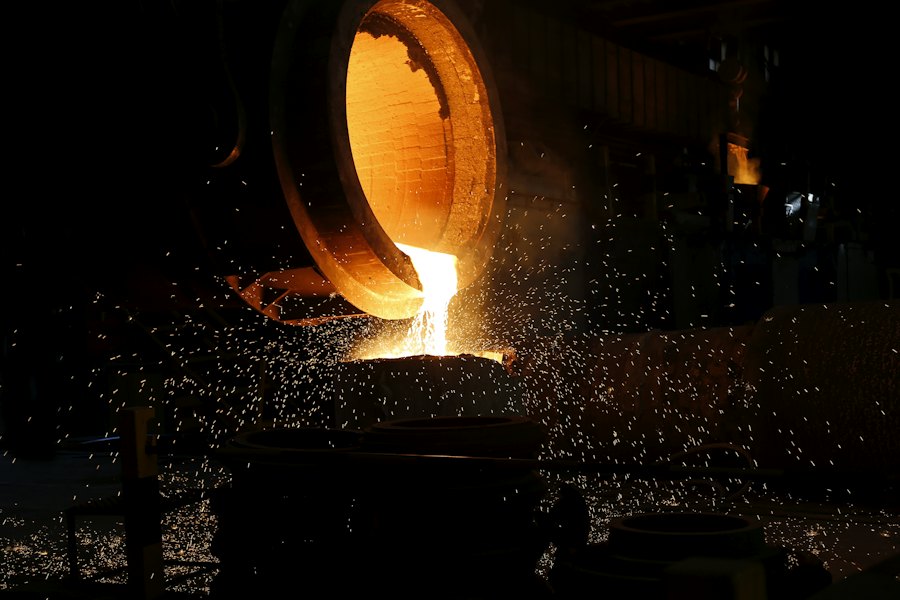
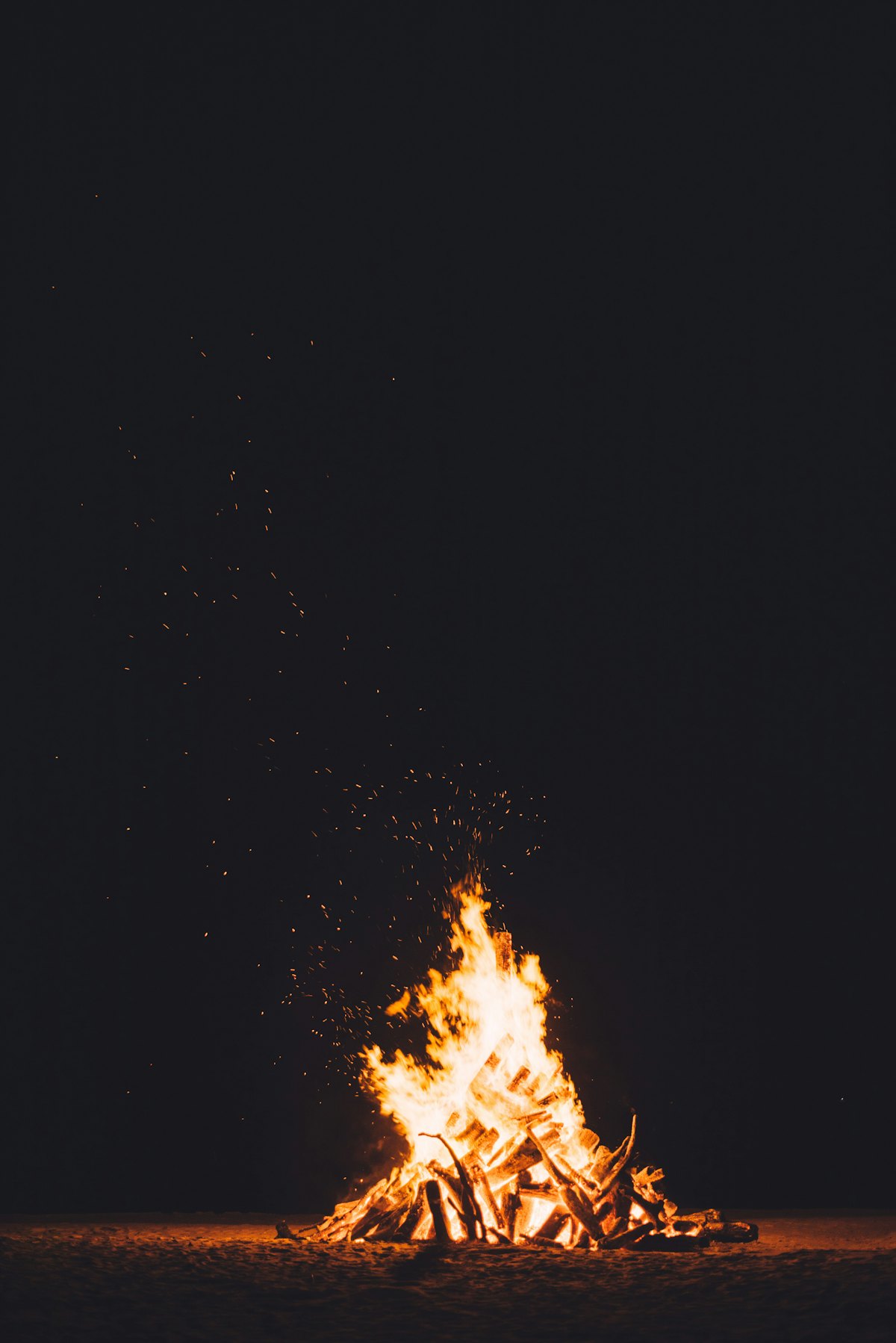
Fahrenheit 451 (1953) is pyropunk's closest founding text - a society where firemen burn books and warmth itself becomes a tool of erasure. The novel that taught the genre to fear, and love, the flame.
"It was a pleasure to burn. It was a special pleasure to see things eaten, to see things blackened and changed."
Dune (1965) made the desert itself the antagonist: a planet of killing heat where water is scripture and the most valuable substance in the universe is wrung from a world that burns. Pyropunk's grand thermal epic.
Firestarter (1980) put the flame inside a child. Charlie McGee's pyrokinesis is the Promethean spark made personal - a gift the world wants to weaponize, and a fire no agency can contain.
Mount Doom and the forges of Mordor gave fantasy its definitive image of fire as both forge and apocalypse: the One Ring made in flame can only be unmade in flame. Pyropunk's mythic backbone.
The Mad Max films - and Fury Road (2015) above all - are pyropunk's defining cinema: a scorched Wasteland of war rigs, flame-throwers, and a guitar that shoots fire. Spectacle as scripture.
Firemen who start fires. Books that burn. The closest thing pyropunk has to a founding novel.
A desert planet where heat is the antagonist, water is scripture, and the universe's most precious substance is wrung from a world that burns.
A child who can ignite anything with her mind. Pyrokinesis as gift, weapon, and the Promethean spark turned inward.
The forges of Mordor and the fires of Mount Doom: the One Ring made in flame can only be unmade in flame.
The flame guitar, the war rigs, the sun-blasted Wasteland. Pyropunk cinema perfected.
The Fire Nation: an entire empire built on the mastery of flame as power, industry, and conquest.
Dragon-fire as the central wonder and threat - the flame tamed, befriended, and finally wielded as wing and weapon.
The First Flame, the bonfires, the fading Age of Fire. A whole cosmology built on the choice to rekindle or let the embers die.
Hell-fire as setting and aesthetic: molten landscapes, infernal machinery, and three decades of fire painted across the screen.
Survival defined by the campfire: keep the flame lit or the dark takes you. Fire as the thin line between life and the night.
Pyropunk's scorched imagery is catching up with the climate report.
Pyropunk matters because fire is humanity's oldest and most ambivalent technology - and the world is, measurably, getting hotter. The genre is a way of thinking with the flame: a way of holding creation and destruction in the same hand, and asking what we are willing to burn for warmth.
It is the genre of the questions we keep refusing to ask out loud: