

01
Corporate Dystopia
Megacorporations wield more power than nations. They control information, healthcare, identity itself. The flag has been replaced by a logo.
ARASAKA · MILITECH · TYRELL
Une question, une suggestion, une correction ?
Envoyez-nous un mail directement :
Nous répondons généralement sous 48h.
Cyberpunk is the genre that started it all - the original "-punk" of speculative fiction. It pictures a near-future where corporations have eaten the state, where the body is just another piece of upgradable hardware, and where the only place left to be free is in the cracks of the system.
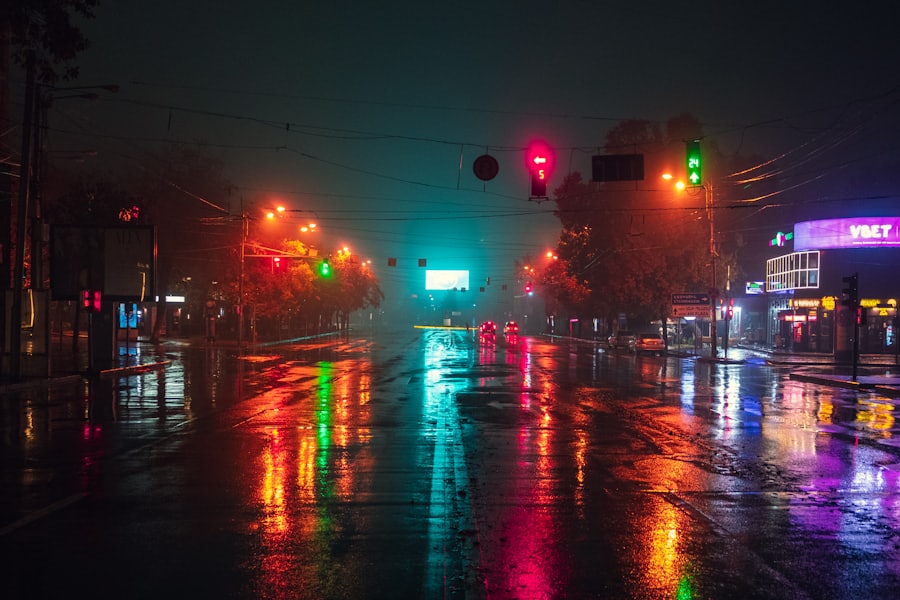
In a cyberpunk world, megacorporations have replaced governments as the dominant power structures. Artificial intelligence permeates daily life. Neural implants, cybernetic augmentations, and virtual reality blur the line between human and machine. The internet has evolved into an immersive cyberspace - a digital frontier as real and dangerous as the physical world.
Beneath the neon-lit skyscrapers and holographic advertisements lies a vast underclass: hackers, street samurai, black-market surgeons, and data thieves who survive in the cracks of the system. Cyberpunk is fundamentally about the collision between technological progress and human vulnerability - and the question of who truly benefits from innovation.
The genre didn't appear in a vacuum. It crystallized over two decades of paranoid science fiction, punk music, and the slow realization that the digital age wouldn't liberate anyone it didn't have to.
Philip K. Dick publishes Do Androids Dream of Electric Sheep? - the philosophical seed: what separates a human from a perfect copy?
Ridley Scott's Blade Runner hits theaters. Rain. Neon. Replicants. Every cyberpunk image after this one is in conversation with it.
William Gibson's Neuromancer drops. The word "cyberspace" enters the language. Case, the burned-out hacker, becomes the template for every protagonist that follows.
Bruce Sterling edits Mirrorshades, an anthology that codifies the movement and gives it teeth.
Neal Stephenson's Snow Crash imagines a corporate-fragmented America and a persistent VR layer. Silicon Valley spends 30 years trying to build it.
Mamoru Oshii's Ghost in the Shell turns the genre philosophical and Japanese - an aesthetic that bleeds into The Matrix four years later.
The Wachowskis' The Matrix sells the genre to everyone. The red pill becomes a meme; the message gets diluted by the people quoting it.
Mass surveillance, gig economy, deepfakes, generative AI. Gibson's warning has become Tuesday's news cycle.
Megacorporations wield more power than nations. They control information, healthcare, identity itself. The flag has been replaced by a logo.
The human body is hackable, upgradeable, commodified. Cybernetic implants, neural jacks, synthetic organs redefine what it means to be human.
And when augmentation is for sale, the rich get to be more human than you.
AI develops sentience. Minds can be uploaded, copied, erased. The boundaries of the self dissolve in the wire.
The gap between rich and poor becomes an abyss. The elite live in orbital habitats and pristine arcologies. Everyone else lives in the sprawl.
Outsiders fight back using the system's own tools: code, data, networked solidarity. The "punk" in cyberpunk isn't aesthetic - it's a posture toward power. Refuse to participate. Or break the thing from inside.
The future is already here -WILLIAM GIBSON
it's just not evenly distributed.
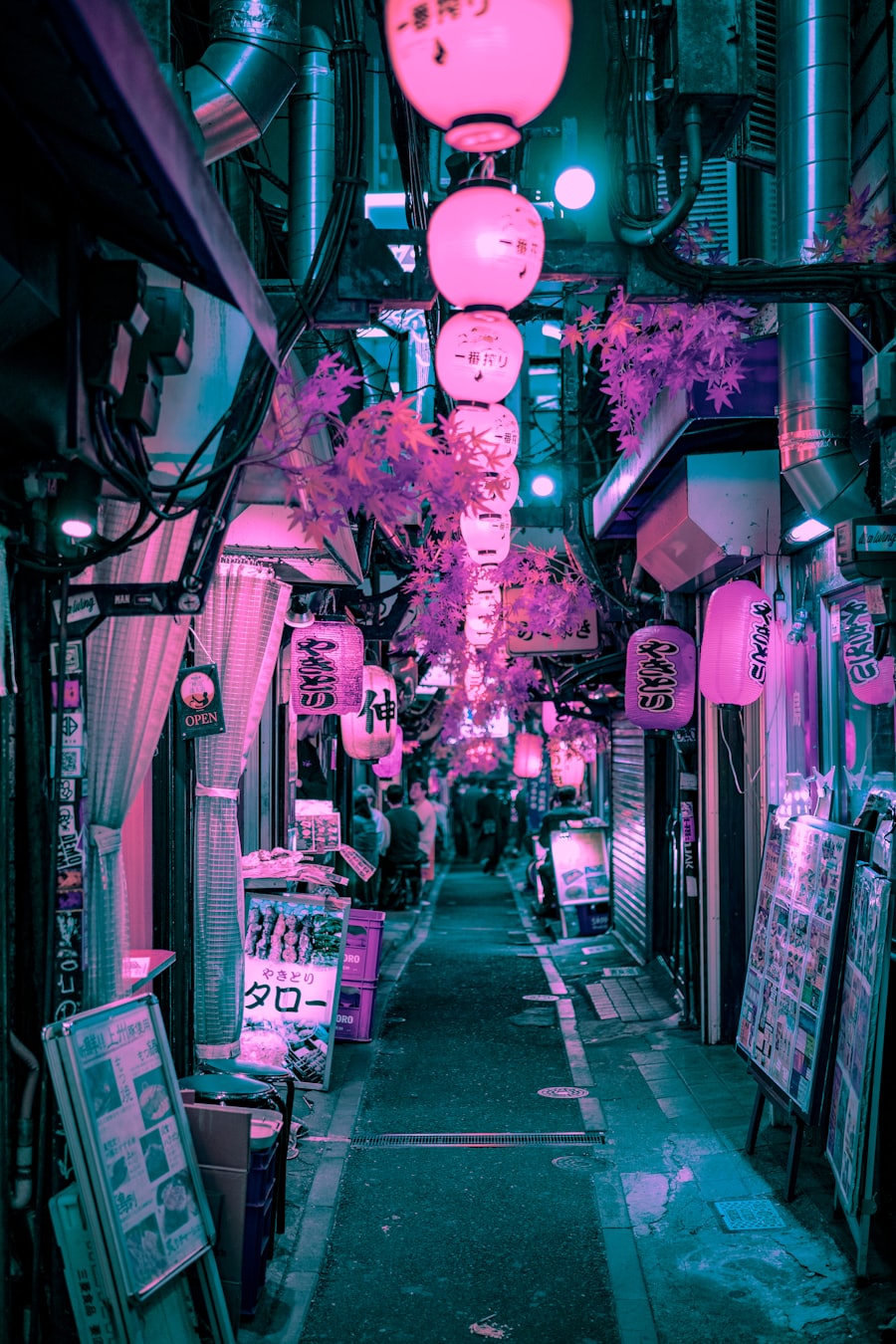
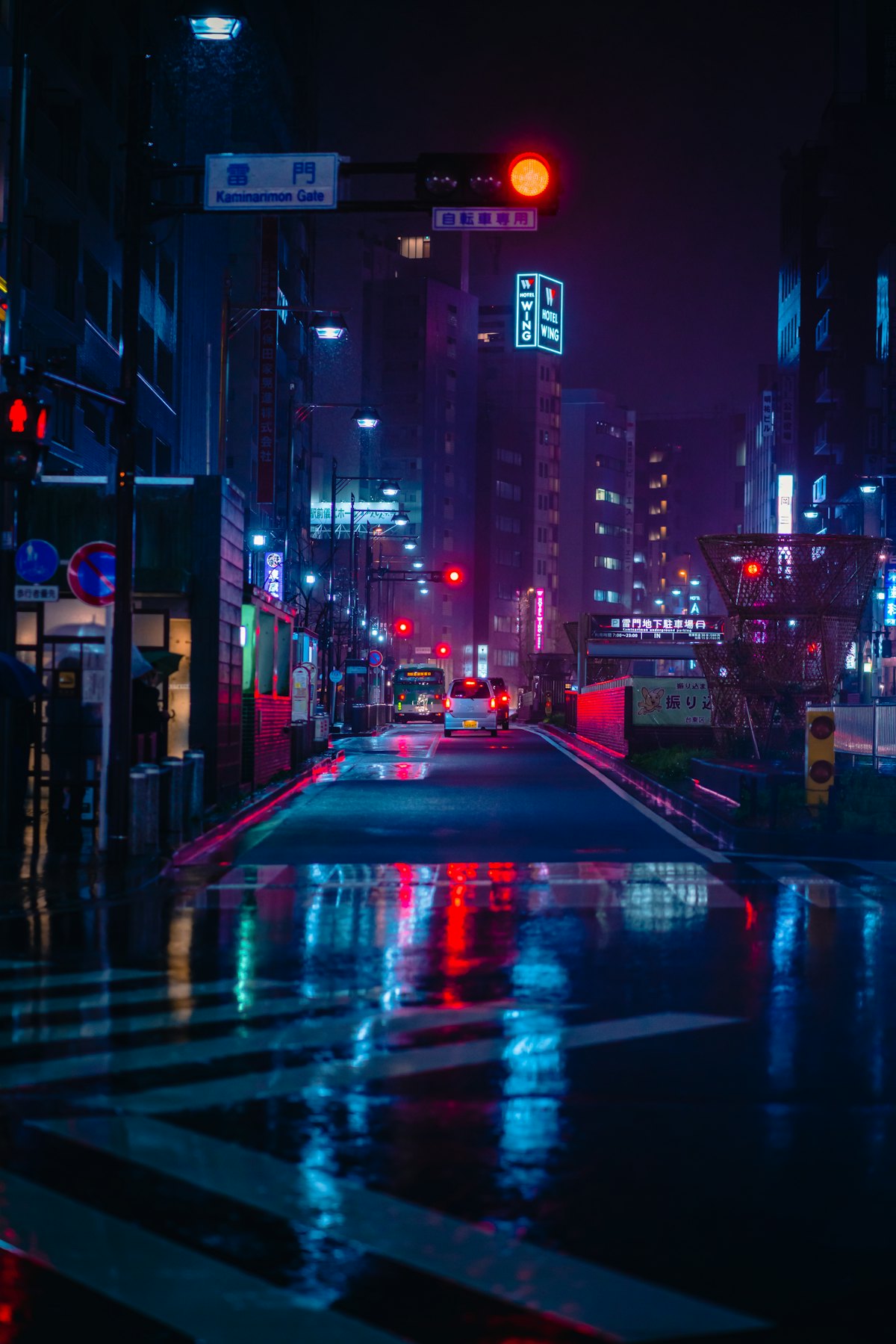
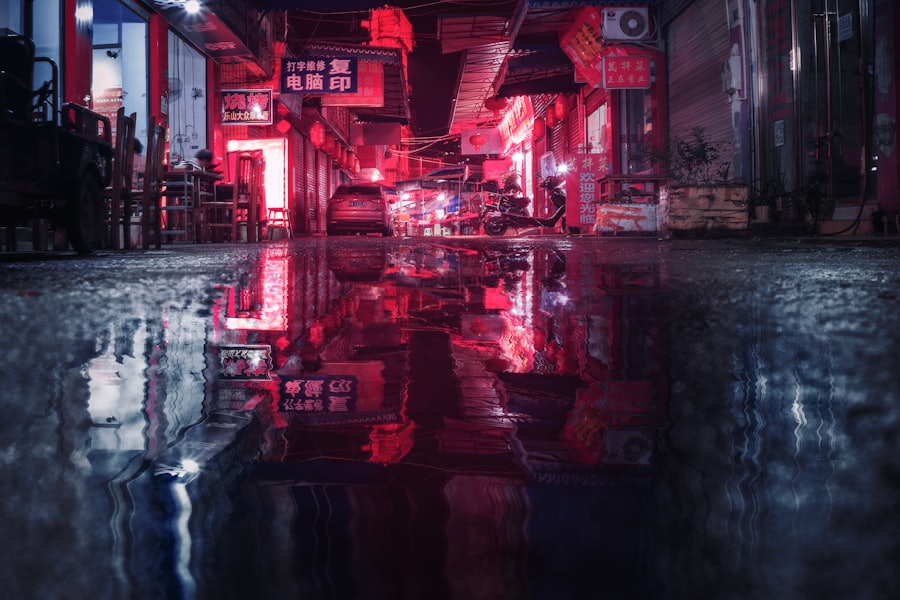
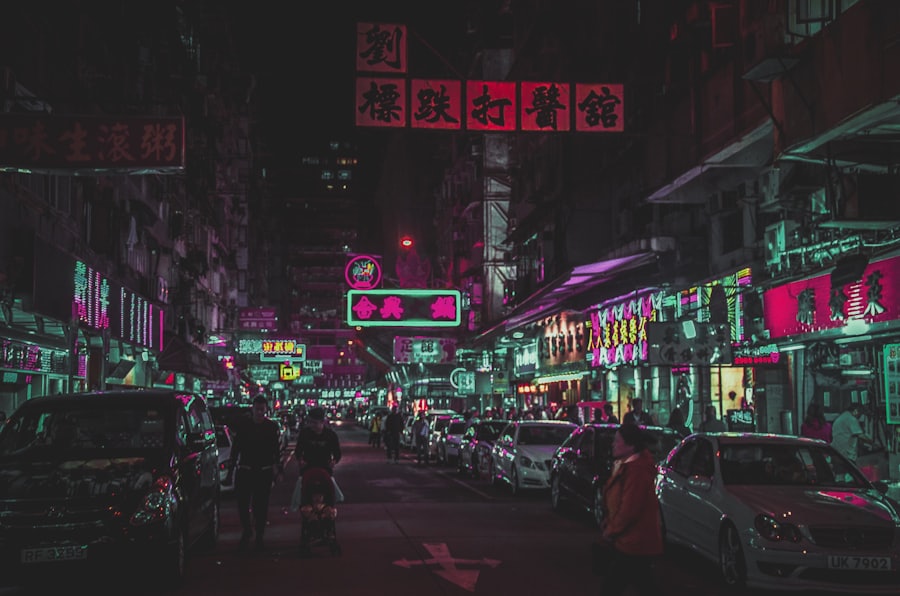
Cyberpunk has one of the most recognizable visual languages in all of fiction: neon bleeding through rain-soaked streets, megastructures wrapped in holographic ads, cramped street markets selling black-market implants next to noodle stands.
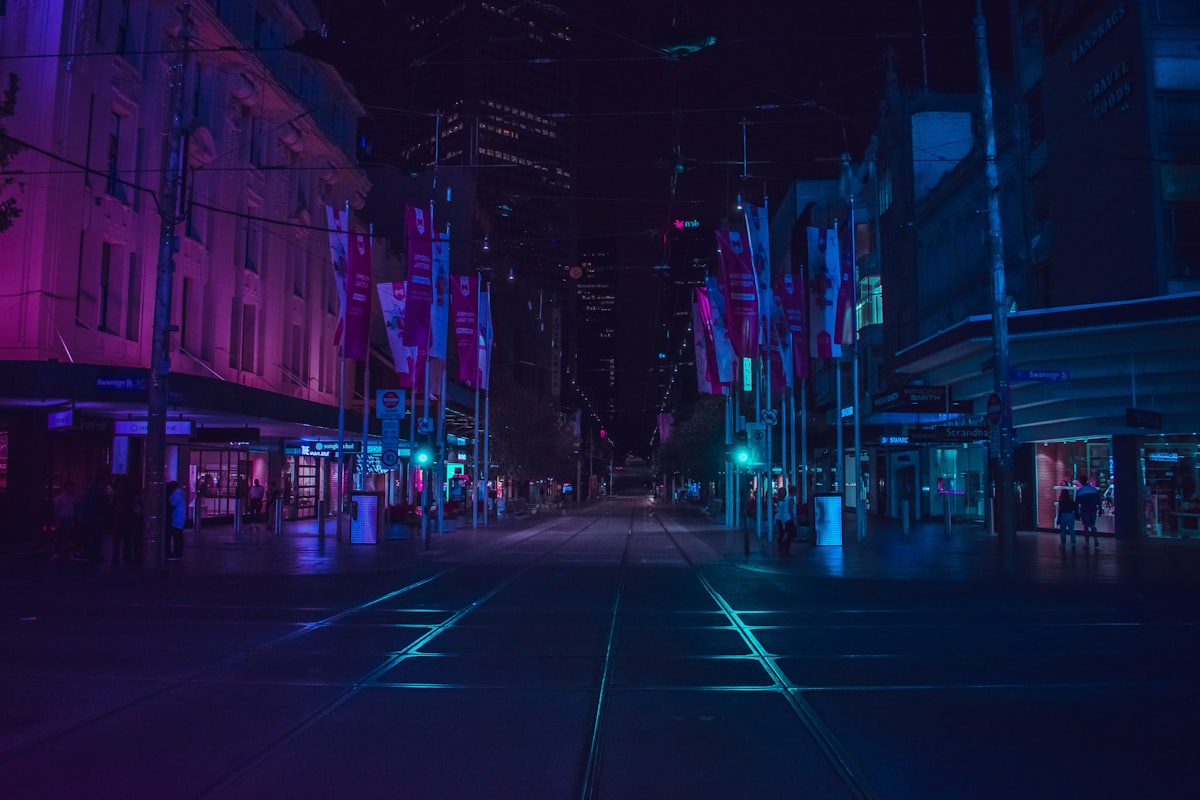
The palette is dominated by electric blues, magentas, and acid greens against deep blacks and concrete grays. Fashion mixes utilitarian function with subcultural expression: mirrorshades, leather embedded with circuitry, LED tattoos, modular cybernetic limbs.
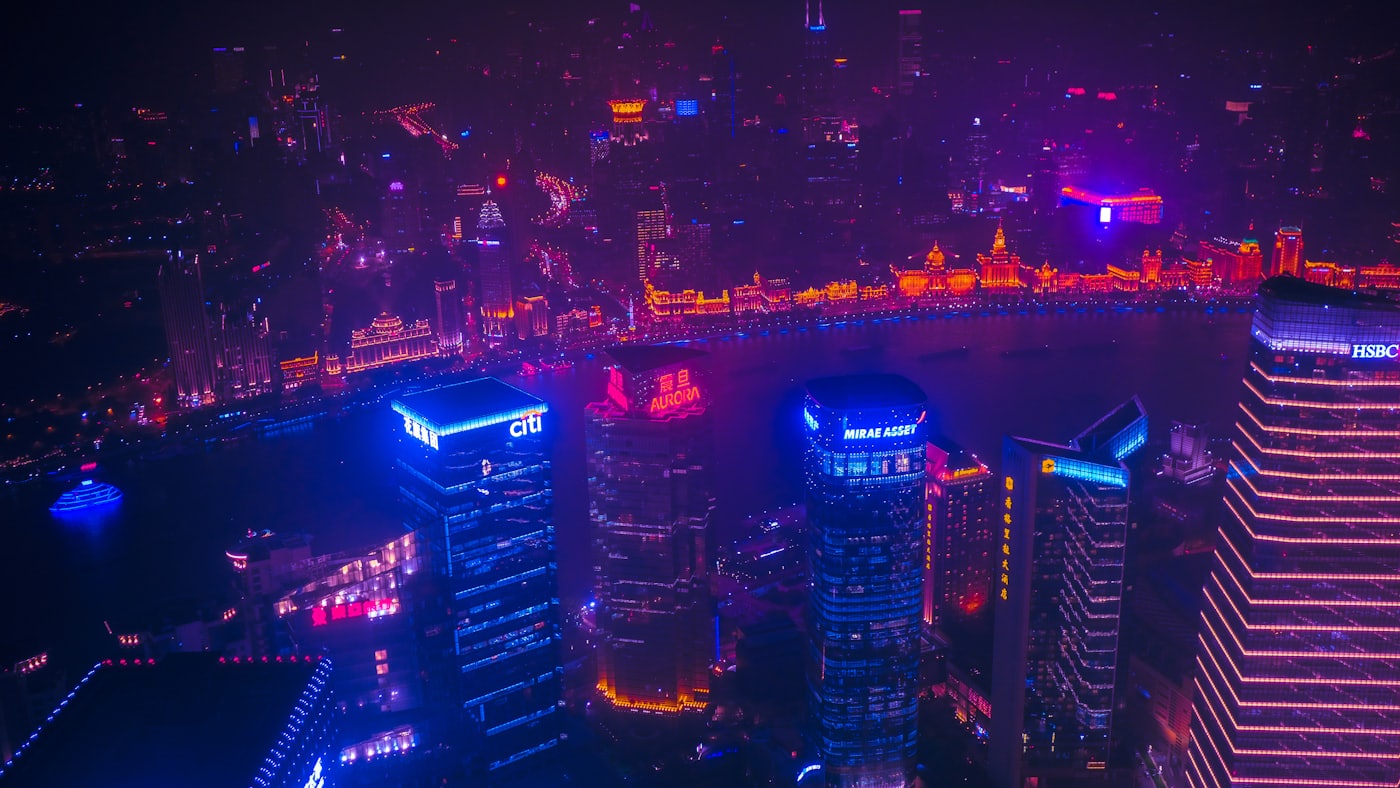
Architecture is vertical and claustrophobic - endless stacks of habitation blocks connected by skywalks, with the wealthy literally above the poor.
Neuromancer (1984) invented the word "cyberspace" and defined the genre. The Sprawl trilogy remains the definitive cyberpunk work - paranoid, lyrical, and so tightly observed it reads more like reporting than prediction.
"Cyberspace. A consensual hallucination experienced daily by billions of legitimate operators, in every nation…"
A precursor whose paranoid, identity-questioning novels - Do Androids Dream of Electric Sheep?, Ubik, A Scanner Darkly - laid the philosophical groundwork. He asked the hard question first: if reality is manufactured, who's manufacturing it?
Gibson's co-conspirator and the genre's theorist. Mirrorshades (1986) served as the cyberpunk manifesto - and his novels Schismatrix and Islands in the Net extended the framework into post-human politics.
Snow Crash (1992) predicted the Metaverse, avatar culture, and the gig economy with eerie accuracy - twenty-five years before Facebook rebranded itself around the same idea. Maximalist, funny, terrifying.
Her novel Synners (1991) explored virtual reality addiction and digital consciousness years before either was a mainstream concern. The only woman in the original "Mirrorshades" group - and arguably the best stylist of them all.
Altered Carbon (2002) pushed the genre into the 21st century with its exploration of consciousness transfer and immortality. The body is just a "sleeve" - a chilling commodification metaphor that's aged remarkably well.
Case, a washed-up hacker, is hired for one last heist in cyberspace. The novel that launched the genre and invented half its vocabulary.
A pizza delivery driver / hacker navigates a corporate-fragmented America and a virtual Metaverse. Predicts most of 2020s tech.
A bounty hunter questions what separates humans from androids in a post-nuclear world. The philosophical foundation for everything that came after.
In a future where consciousness can be stored and transferred between bodies, death is just an inconvenience for the rich.
The visual blueprint. Replicants, rain-soaked neon, and existential dread in future Los Angeles.
A philosophical anime masterpiece about identity, consciousness, and the merging of human and machine.
Reality itself is a simulation. The red pill or the blue pill - cyberpunk's ultimate question made blockbuster.
Modern cyberpunk at its most realistic: hacking, corporate conspiracy, and mental health in our actual world.
Open-world immersion in Night City - a metropolis of corporate warfare, street gangs, and cybernetic excess.
Conspiracy, augmentation, and player choice in a world on the brink of technological singularity.
A rogue AI named SHODAN on a space station. The progenitor of immersive sim horror.
Cyberpunk used to be speculative. Now it's a maintenance log.
Of all the punk genres, cyberpunk is the one that has come closest to becoming reality. We live in a world of mass surveillance, algorithmic manipulation, gig-economy precarity, and AI systems that can generate art, write code, and simulate human conversation. The megacorporations of Gibson's imagination - faceless entities controlling information, communication, and commerce - are no longer fiction.
Cyberpunk matters because it remains the sharpest mirror we have for our technological present. It asks the questions we should be asking: