

I.
The Sublime Deep
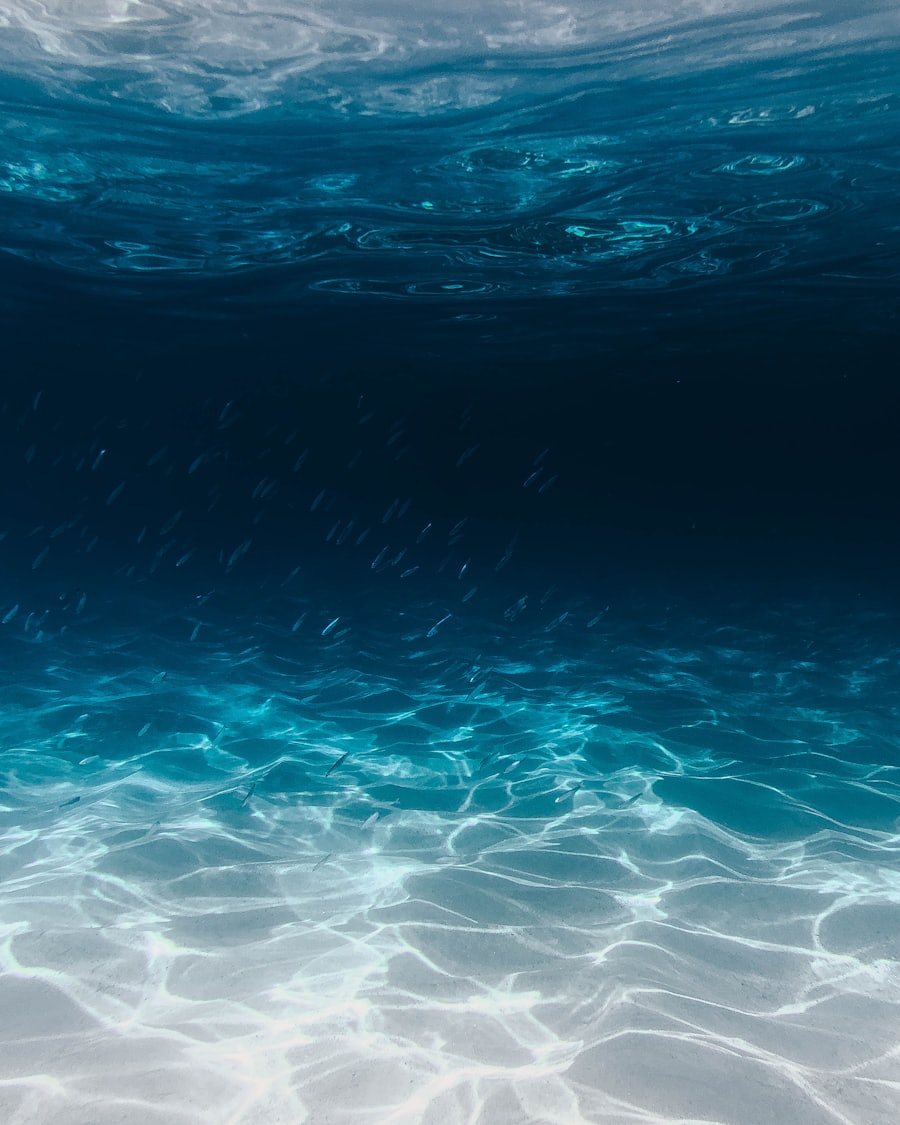
The ocean as the last true wilderness. Vaster than space, closer than the moon, and visited by fewer humans. Hydropunk is the romance of going down.
ABYSS · TRENCH · PELAGIC
Une question, une suggestion, une correction ?
Envoyez-nous un mail directement :
Nous répondons généralement sous 48h.
Hydropunk is the retrofuture of the deep. The genre of the submarine, the bathysphere, the drowned cathedral, the city beneath the waves. Where steampunk dreams of the airship and the workshop, hydropunk dreams of brass and rivets at four thousand fathoms - and asks what we will find when the sea finally returns the surface to itself.
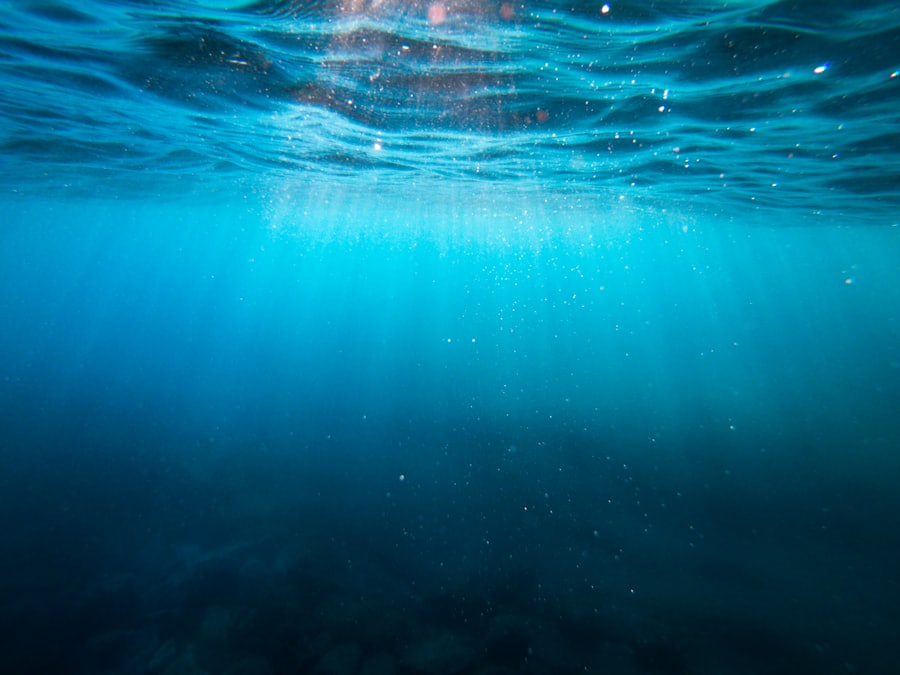
Hydropunk is what happens when steampunk takes a deep breath and goes under. The signature image is the submarine: brass and glass and riveted steel, lit from inside by yellow oil-lamps, descending into a blue-black world where the rules of the surface no longer hold.
Its settings are drowned cities, abyssal trenches, coral cathedrals, pirate ports, oceanic empires. Its technologies are pressure-hardened, rust-resistant, alive with algae and lichen. Its anxieties are about isolation, the unknown beneath, and the world we have forgotten was always larger than the land.
The hero is a captain, a diver, a marine engineer, a salvage operator. They keep a logbook. They name every leak. They know that down here, the next thing that breaks is the thing that kills them.
Hydropunk's lineage runs from the first plausible submarine to the climate-flooded near-future. It is the oldest "punk" of all - and possibly the most urgent.
Jules Verne publishes Twenty Thousand Leagues Under the Sea. Captain Nemo, the impossible submarine, the moral case for the deep against the cruelty of the surface. The genre's origin.
William Beebe descends to 923 m in a steel sphere. The deep ocean has its first witness. The fiction will spend the next century chasing him.
J. G. Ballard's The Drowned World: London is a tropical lagoon, civilization is unwinding, and the protagonist would rather sleep underwater. The first climate-flooded hydropunk novel.
James Cameron drops a deep-sea oil rig crew into the genre and refuses to let them up. The hydropunk image bank gets its modern technical vocabulary.
BioShock: an art-deco utopia at the bottom of the Atlantic. Hydropunk and dieselpunk hold hands.
Failbetter Games release Sunless Sea: a Victorian London that has sunk and stayed sunk, traversed by steam-powered cutters and a crew with too many secrets.
The first hydropunk simulation: solo, no enemies but the deep itself. The genre's quietest masterpiece.
Climate-driven sea-level rise becomes measurable from a kitchen window. Hydropunk stops being speculative and starts being a planning document.
The ocean as the last true wilderness. Vaster than space, closer than the moon, and visited by fewer humans. Hydropunk is the romance of going down.
The hydropunk submarine is more than transport: it is the last membrane between you and an environment that would kill you in seconds. Every rivet matters. Every gauge means something.
The crew is small. The trust is total.
Climate change is hydropunk's other engine: the slow flood, the lost city, the new coastline. The genre takes the planning meeting seriously.
The cephalopod. The leviathan. The bioluminescent intelligence. Hydropunk is the only genre where the alien is already on Earth, and we just don't go visit it often enough.
The "punk" in hydropunk is Captain Nemo's original move: to refuse a continent that has failed you, and to take the sea instead. Pirate republics, free reefs, autonomous undersea collectives. The water is too big to enclose. Down here, no flag flies for long.
The depths do not need us.CAPTAIN'S LOG · UNNAMED · LAST ENTRY
We need the depths.
Hydropunk's palette is abyssal blue, verdigris, kelp green, brass, pearl white, oil-lamp yellow. Light comes from below as often as above. Sound is muffled. Reflections are everywhere.
The fashion is oilskin coats, brass diving helmets, wool sweaters, rubber boots, leather sea-boots. The architecture is portholes, riveted plate, glass observation domes, kelp-wreathed columns, drowned arches. The transport is the submarine, the diving bell, the salvage trawler, the airlock.
Above all: everything is slightly wet. Every surface has a drip, a streak, a salt mark. The sea is always already inside.
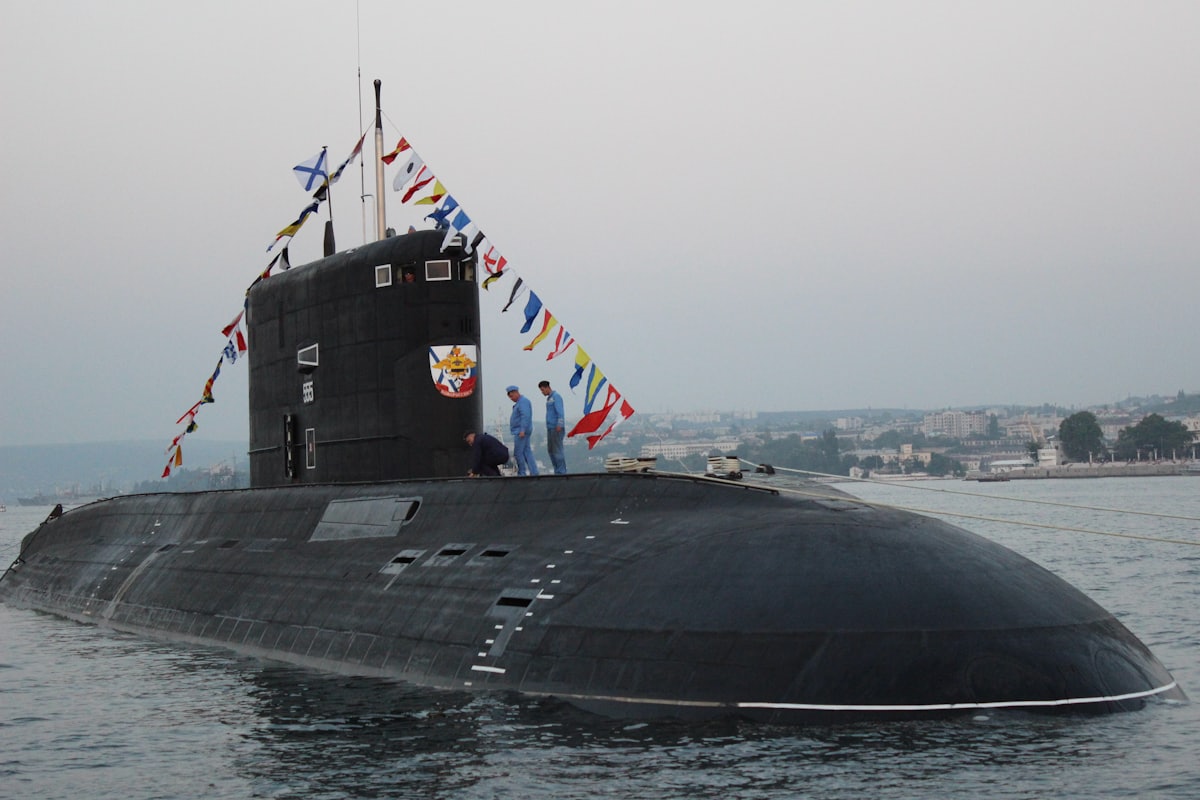
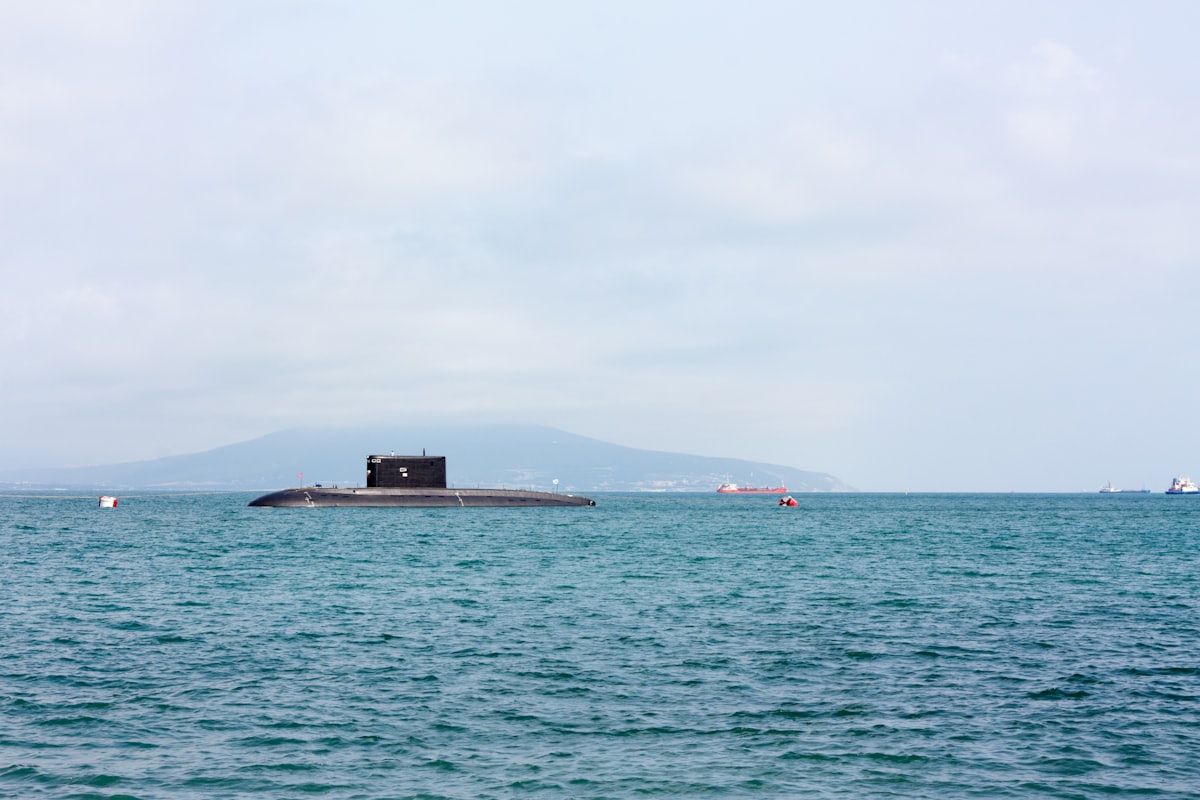
The Nautilus is hydropunk. Nemo is hydropunk. Every submarine in fiction since 1870 is in conversation with Verne's vision of an undersea sovereign with better technology than the surface and a longer memory.
"The sea is everything. It covers seven tenths of the globe. It is the breath of God."
The Drowned World (1962) saw a tropical-Triassic London under thirty metres of warm water sixty years before climate became a daily topic. Ballard wrote hydropunk before it had a coast.
The Scar (2002) is hydropunk's high-water mark: Armada, the floating pirate city, lashed together from a thousand stolen vessels. Politics, monsters, and weather, all at sea.
New York 2140: Manhattan, partially submerged, still trading, still gentrifying, still recognizably itself. The hydropunk policy paper, written as a novel.
The Water Knife (2015) is hydropunk's mirror: not too much water but too little, and the people who run the pipelines are exactly the people you'd worry about.
The original. Nemo, the Nautilus, the genre itself. Every hydropunk story is downstream.
London under thirty metres of warm tropical water. Climate-hydropunk before climate had a name.
Armada, the floating pirate city. A novel that moves like a fleet under sail.
Half-submerged Manhattan, traded in skybridges and water-taxis. Hydropunk realism.
Deep-sea rig crew, alien intelligence, a wedding ring in microgravity. The modern hydropunk image.
A small fish-girl floods the world. The kindest hydropunk film ever made.
A planet entirely sea. Catamarans, atolls, post-coastline survival. The thesis film.
Crashed on an ocean planet, you build downwards. Hydropunk as quiet, terrified solitude.
A drowned London at the bottom of the world. Steam down the Unterzee with too small a crew.
Rapture, the drowned art-deco utopia. Where hydropunk and dieselpunk shake hands.
Hydropunk's predictions are not warnings any more. They are delivery dates.
Hydropunk matters because the sea is the future arriving more obviously than any other. Rising water, retreating coastlines, dead reefs, exhausted fisheries, contested rivers: every one of these is a hydropunk plot point with a publication date in 2026. The genre is no longer an escape; it is the imagination practice for the century we have.
It is the genre of the question that won't stop rising: