

01
Scavenge & Make
The old world's trash is the new world's toolkit. Apocapunk worships the fixer - the one who can turn a dead engine and a length of wire into survival.
SALVAGE · WELD · RIG
Une question, une suggestion, une correction ?
Envoyez-nous un mail directement :
Nous répondons généralement sous 48h.
Apocapunk is the genre of the aftermath - the world that comes after the bombs, the plague, the long drought, the silence on the radio. Where civilization is no longer a given but a memory, a rumor, and a pile of salvage. Where the most valuable technology is the one you can fix yourself, and the most dangerous question is not how do we go back? but what do we build next?
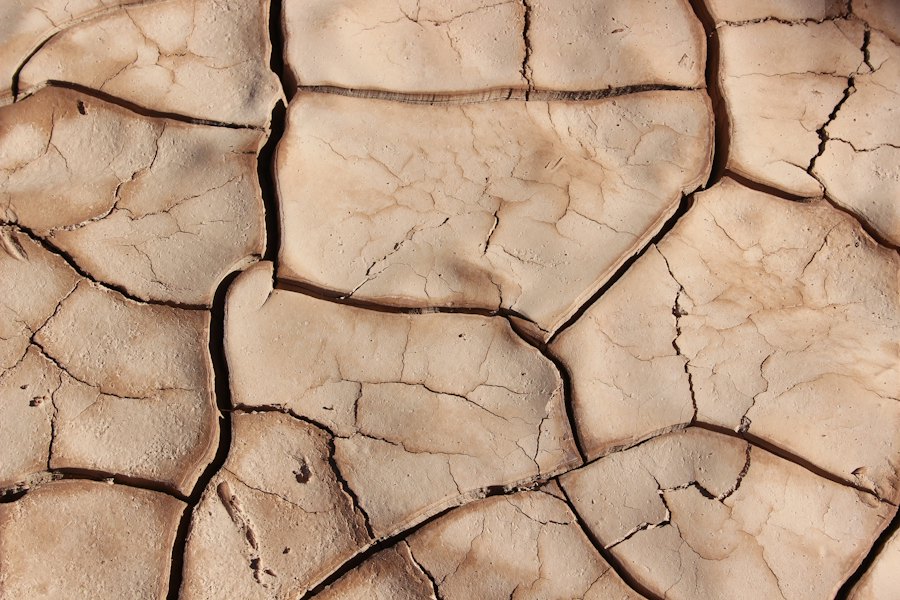
Apocapunk is post-apocalyptic fiction with the punk spine put back in. Where ordinary post-apocalypse wallows in despair, apocapunk keeps the rebellion, the ingenuity, and the flat refusal to accept that the end of the old world is the end of everything. The hero doesn't restore the past - they weld a future out of its wreckage.
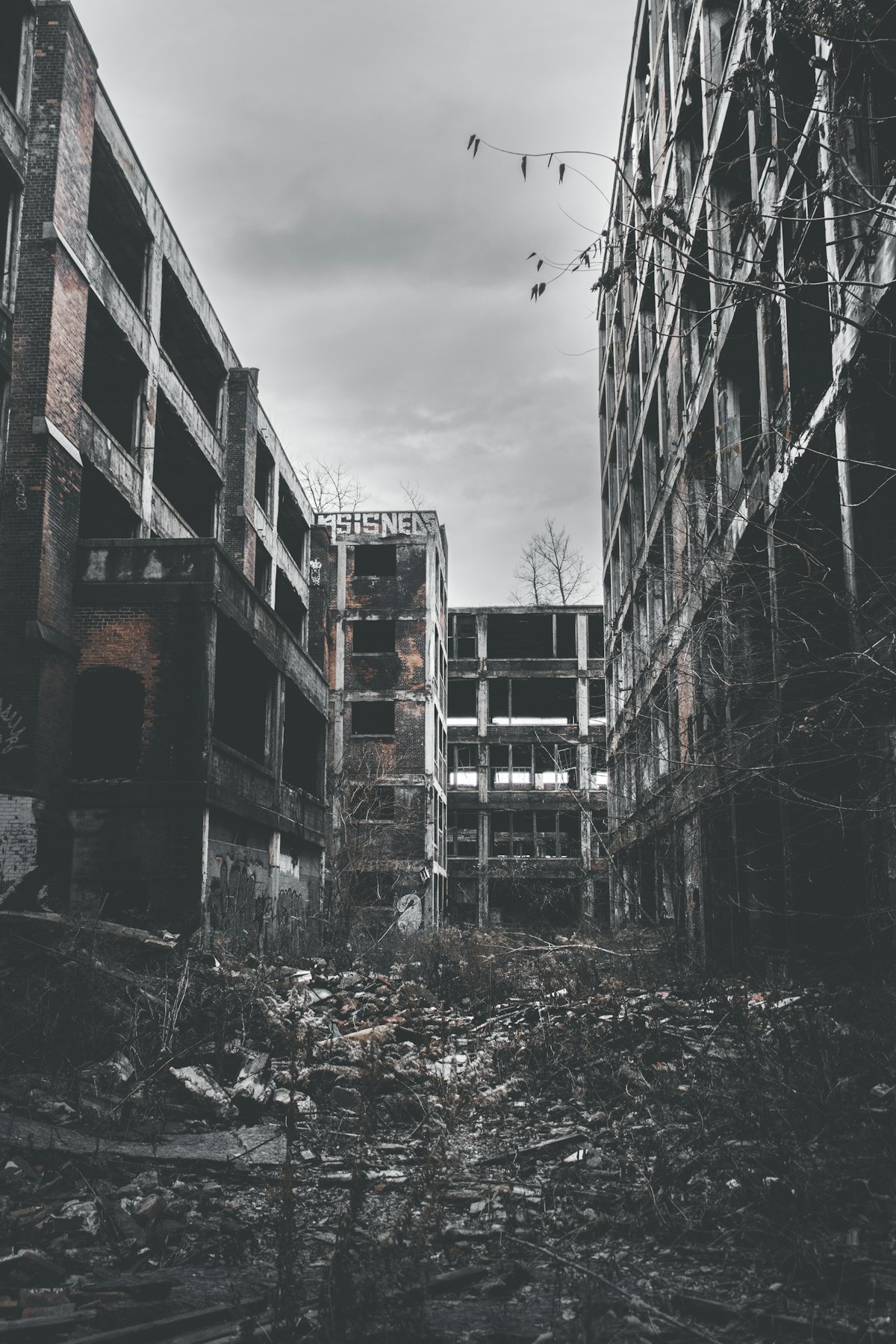
Its settings are scorched highways, drowned cities, vault doors, scrap markets, the ruins of malls and reactors. Its technology is jury-rigged, dented, and running on whatever it can find. Its anxieties are about water, fuel, memory, and who holds the gun.
Apocapunk asks the cyberpunk question after the lights go out: when the system is gone, what kind of system do you become?
Apocapunk grew straight out of the things humanity actually feared it might do to itself. Every decade hands the genre a fresh way for the world to end.
Hiroshima and Nagasaki make the end of the world a matter of engineering, not prophecy. The mushroom cloud becomes the genre's founding image.
Richard Matheson strands the last man alive in a city of the infected. The lone survivor in a dead metropolis is now a permanent template.
Walter M. Miller Jr. follows monks preserving scraps of science across centuries after a nuclear war - the apocapunk faith in salvaged knowledge.
George Miller turns the wasteland into a roaring, gasoline-soaked frontier of welded cars and feral tribes. The genre's visual grammar is set in chrome and rust.
Interplay's Wasteland drops players into a post-nuclear Southwest of Desert Rangers and scrap. It becomes the seed of an entire genre of games.
Black Isle's Fallout fuses retro-futurism, bottle caps, and gallows humor into the defining apocapunk world. "War. War never changes."
Cormac McCarthy strips the apocalypse to a father, a son, and a shopping cart on a dead highway. The literary benchmark for the genre's despair - and its stubborn love.
George Miller returns with Mad Max: Fury Road: the wasteland as opera, Furiosa's rebellion as apocapunk distilled to pure, screaming motion.
The old world's trash is the new world's toolkit. Apocapunk worships the fixer - the one who can turn a dead engine and a length of wire into survival.
The eternal post-collapse fork: cooperation or domination, the commune or the strongman. Every settlement is one bad winter from either a parliament or a tyrant.
Apocapunk's central drama isn't the monster. It's the meeting where everyone decides who gets the water.
What is lost when the libraries burn? Apocapunk is haunted by the forgotten formula, the unread book, the skill that died with the last person who had it.
Nature does not mourn us. Forests crack the freeways, deer walk the malls. Apocapunk holds both the grief and the terrible beauty of a world healing without us.
The "punk" in apocapunk is the refusal to despair: the survivor who plants a garden, rebuilds a radio, copies a book by hand, or stages a play in the ruins. It insists that even after the worst, something worth building can emerge - and that the people who build it are not the warlords but the makers, the keepers, the stubborn ones who say survival is insufficient.
The world ended.TRANSMISSION LOG, RELAY STATION 7, DEAD ZONE
We kept the radio on.
Apocapunk's palette is rust orange, ash gray, toxic warning-yellow, dried-blood red, scorched black, bleached against bone and bleached concrete. Everything is dusty. Everything has been welded back together at least once.
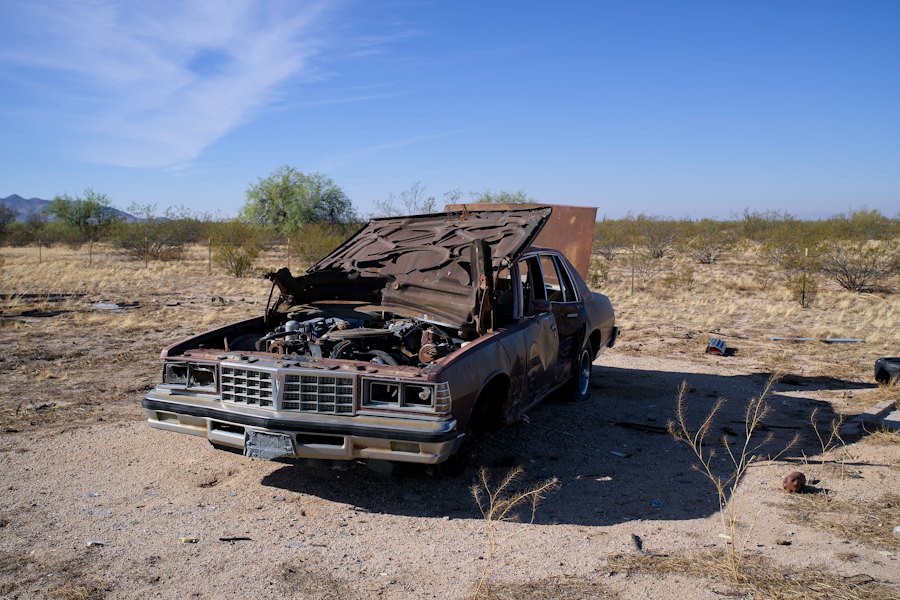
The fashion is gas masks, goggles, patched leather, scavenged armor, dust scarves. The architecture is vault doors, scrap forts, gutted skyscrapers, cracked overpasses. The transport is loud, ugly, and beloved - a war-rig stitched from six dead cars and held together by faith.
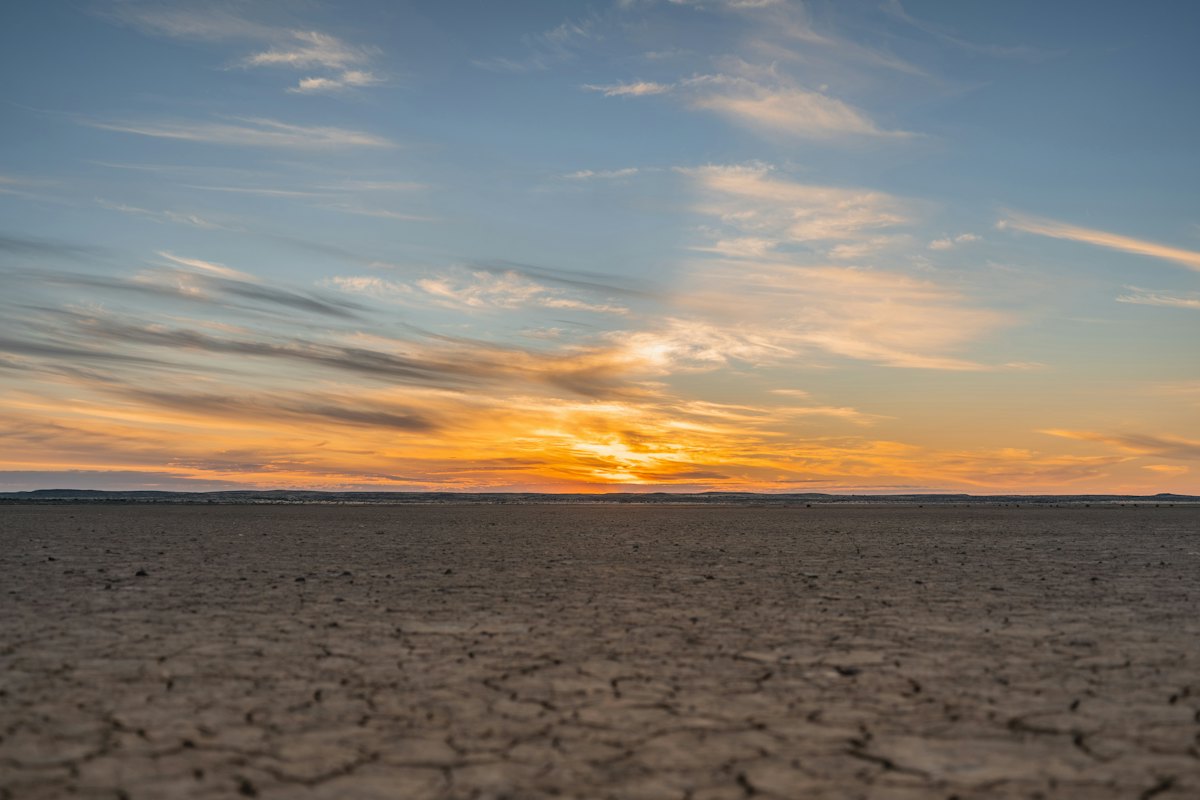
Visually, apocapunk borrows from radiation signage, junkyard sculpture, and the sun-bleached deserts of George Miller.

The Road (2006) is apocapunk's literary high-water mark - a father and son pushing a cart through a gray, dead America, carrying "the fire" because there is nothing else worth carrying.
"You have to carry the fire. I don't know how to. Yes you do. Is the fire real? The fire? Yes it is. Where is it? I don't know where it is. Yes you do. It's inside you."
A Canticle for Leibowitz (1960) follows an order of monks preserving the fragments of pre-war science across a thousand years of rebuilt and re-ruined civilization. The genre's deepest meditation on memory.
I Am Legend (1954) invents the last-man-in-a-dead-city template that every pandemic-collapse story since has borrowed - the empty streets, the barred windows, the long, lonely nights.
Station Eleven (2014) follows a traveling Shakespeare troupe through a post-pandemic world, carrying the motto painted on their lead caravan: "Survival is insufficient." Apocapunk's purest statement of hope.
The Stand (1978) wipes out the world with a weaponized superflu and lets the survivors reorganize into the eternal apocapunk argument - the fragile commune against the rising tyrant. The genre's grandest canvas.
A father and son walk a dead highway toward a coast that may hold nothing. The benchmark for post-apocalyptic literary fiction.
Monks preserve the fragments of lost science across a thousand years of collapse and rebirth. Apocapunk's meditation on memory.
The last uninfected man barricades himself in a city of the changed. The original blueprint for the lonely post-collapse survivor.
A traveling Shakespeare company crosses a post-pandemic world under one motto: survival is insufficient. The genre's gentlest hope.
The wasteland as opera. Furiosa's rebellion across a desert of war-rigs and warlords is apocapunk distilled to pure motion.
A world gone infertile and authoritarian, and one fragile spark of hope smuggled through the ruins of Britain.
A decade-spanning study of how survivors form, fracture, and rebuild communities when the dead walk and the living are worse.
Post-nuclear America rebuilt from scrap, bottle caps, and sheer stubbornness. The defining apocapunk game franchise.
Moscow's survivors live in the tunnels; each station is a nation, the surface is death. Adapted from Glukhovsky's novel.
A fungal pandemic collapses civilization and forges desperate bonds in the overgrown ruins. Quiet, brutal apocapunk.
Apocapunk's worst-case scenarios keep edging out of fiction and onto the news ticker.
Apocapunk matters because the question it asks - what happens if the systems fail? - is no longer abstract. After a pandemic, amid climate anxiety and supply-chain fragility, the comfortable assumption that the lights stay on has cracked. The genre is a way of rehearsing the worst without surrendering to it.
It refuses to romanticize collapse. Instead it asks what resilience actually looks like - and answers, stubbornly, with the questions we should all be asking: